

Fiery Northwest Oklahoma City Crash Kills Driver, Stalls Interchange
A driver was killed early last Saturday morning in a single-vehicle crash that briefly stalled traffic near a major interstate interchange in southwest Oklahoma City, according to News 9. The SUV was traveling northbound on Interstate 35 and attempting to take the ramp to Interstate 40 eastbound when the driver lost control. Investigators believe the vehicle may have been traveling at a high rate of speed before leaving the roadway, crossing through a field, and crashing head-on into a concrete wall separating two interstate ramps. The SUV caught fire following the impact, and Oklahoma City firefighters responded to extinguish the flames and remove the driver from the vehicle. The driver was pronounced dead at the scene, no other vehicles were involved, and the cause of the crash remains under investigation.
This fatal Oklahoma City crash highlights the extreme dangers associated with high-speed travel on complex interstate interchange ramps, where sharp curves and rapid transitions leave little room for error. Single-vehicle crashes at highway speeds can quickly turn deadly, especially when fixed objects like concrete barriers are involved, leaving families with sudden loss and unanswered questions. At Hawkins Felton Law, we understand how devastating fatal roadway crashes can be for loved ones trying to make sense of what happened. Our team is dedicated to helping families seek clarity, accountability, and justice after serious and fatal accidents on Oklahoma highways. If you or your family has been impacted by a deadly crash in the Oklahoma City area, call Hawkins Felton Law at (918) 583-6007 to discuss your options.
How a Northwest Oklahoma City Crash Lawyer Supports Clients After an Accident
At Hawkins Felton Law, we understand how overwhelming life can feel after a serious crash in northwest Oklahoma City. When an accident causes severe injuries or the loss of a loved one, victims and families are often left dealing with medical bills, insurance questions, and uncertainty about what steps to take next. We step in to help our clients understand their rights, investigate how the crash occurred, and identify whether negligence, unsafe road conditions, or other factors played a role. Our goal is to provide clear guidance and steady support during an incredibly difficult time.
We also work closely with our clients to manage the legal and insurance challenges that often follow a serious crash. From gathering evidence and reviewing crash reports to communicating with insurance companies, we handle the complex details so our clients can focus on healing and moving forward. At Hawkins Felton Law, we take a thorough and compassionate approach, ensuring each case receives the attention it deserves. By advocating for fair outcomes and accountability, we help individuals and families navigate the aftermath of northwest Oklahoma City crashes with greater confidence and peace of mind.
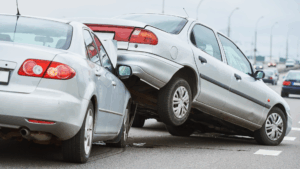
Common Injuries Resulting From a Northwest Oklahoma City Crash
A Northwest Oklahoma City crash can result in a wide range of injuries, particularly when high speeds, busy interchanges, or sudden impacts are involved. Crashes in this area often occur on major roadways where vehicles are traveling at highway speeds, increasing the likelihood of serious harm. Injuries may be immediately apparent or develop over time, requiring ongoing medical evaluation and treatment. Understanding common injury types helps illustrate the physical toll these crashes can take.
Severe and Life-Threatening Injuries
High-impact crashes frequently cause injuries that permanently affect a person’s health and independence. These injuries often require emergency intervention followed by long-term medical care. Recovery can be uncertain and emotionally challenging. Early diagnosis and treatment play a critical role in outcomes.
Traumatic Brain Injuries and Head Trauma
Traumatic brain injuries may occur when the head strikes the steering wheel, window, or another surface during impact. Even without direct contact, rapid acceleration and deceleration can cause the brain to move inside the skull. Symptoms may include memory loss, confusion, and long-term cognitive impairment. These injuries often require specialized neurological care and extended monitoring.
Spinal Cord Injuries and Back Damage
Spinal injuries are common in severe crashes due to violent twisting or compression of the spine. Damage may range from herniated discs to partial or complete paralysis. Victims may experience chronic pain, limited mobility, or loss of sensation. Treatment often involves surgery, physical therapy, and long-term rehabilitation.
Orthopedic and Soft Tissue Injuries
Bones, muscles, and connective tissues are especially vulnerable during vehicle collisions. These injuries can interfere with daily activities and work responsibilities. Recovery times vary widely depending on severity. Some injuries may never fully heal.
Broken Bones, Fractures, and Dislocations
High-force impacts often result in fractures to arms, legs, ribs, or the pelvis. Some fractures require surgical repair and extended immobilization. Multiple fractures can significantly complicate recovery. These injuries often lead to prolonged time away from work.
Whiplash, Sprains, and Soft Tissue Damage
Whiplash occurs when the neck is forced back and forth rapidly during a collision. Soft tissue injuries affect muscles, ligaments, and tendons throughout the body. Symptoms may appear days after the crash and worsen over time. Persistent pain and stiffness are common.
What to Do Immediately After a Northwest Oklahoma City Crash
The moments following a Northwest Oklahoma City crash can be confusing and stressful, especially when injuries or heavy traffic are involved. Taking the right steps immediately after the collision helps protect both physical safety and legal rights. Early actions can significantly influence recovery and future claims. Remaining calm and focused is essential.
Prioritize Safety and Medical Care
Ensuring safety is the first priority after any crash. Injuries may not be immediately noticeable due to adrenaline. Prompt medical evaluation protects health and creates important documentation. Remaining alert to surroundings reduces the risk of further harm.
Call Emergency Services and Seek Medical Attention
Emergency responders can assess injuries and provide necessary treatment at the scene. Even if injuries seem minor, medical evaluation is important because some conditions have delayed symptoms. Medical records also help link injuries directly to the crash. Prompt care supports long-term recovery.
Move to a Safe Location When Possible
If vehicles can be moved safely, clearing traffic lanes reduces the risk of additional collisions. Hazard lights should be activated to alert other drivers. If injuries are suspected, remaining still until help arrives is recommended. Safety should always take precedence.
Document the Crash Scene Thoroughly
Proper documentation is especially important after a serious crash. Evidence can disappear quickly as vehicles are moved and roadways are cleared. Capturing details early helps preserve critical information. Documentation supports later investigation.
Contact Law Enforcement and Obtain a Police Report
Police reports provide an official record of the crash, including statements, diagrams, and initial assessments. Officers may interview drivers and witnesses at the scene. Requesting a copy ensures access to this important document. Reports often influence insurance and legal evaluations.
Take Photos and Gather Witness Information
Photographs of vehicle damage, road conditions, skid marks, and signage help document the scene. Witness names and contact information allow follow-up statements. Visual evidence supports clarity. Early collection prevents loss of details.
How Liability Is Determined in a Northwest Oklahoma City Crash
Determining liability in a Northwest Oklahoma City crash requires careful analysis of driver behavior, roadway conditions, and available evidence. Crashes on major highways or interchanges often involve multiple contributing factors. Oklahoma law requires showing that negligence caused the collision. Accurate liability determination is essential for fair resolution.
Establishing Fault Under Oklahoma Law
Fault is determined by examining whether a driver failed to exercise reasonable care. This analysis considers traffic laws and driving behavior. Evidence must support claims of negligence. Establishing fault is central to pursuing compensation.
Duty of Care and Breach of Duty
Drivers owe a duty to operate their vehicles safely and obey traffic laws. Breach occurs when a driver speeds, drives distracted, or fails to maintain control. Evidence must show that this duty was violated. Breach establishes negligent conduct.
Causation and Resulting Damages
Causation links the negligent behavior to the crash and resulting injuries. It must be shown that the breach directly caused harm. Damages include physical injuries, financial losses, and other impacts. Clear causation is required.
Comparative Fault Considerations
In some cases, more than one party may share responsibility for a crash. Oklahoma allows fault to be allocated among parties. This system recognizes complex interactions. Accurate allocation affects recovery.
How Shared Fault Affects Compensation
Compensation may be reduced based on a party’s percentage of fault. A driver found partially responsible may still recover damages. However, recovery decreases as fault increases. Fair assessment matters.
Evaluating the Actions of All Drivers Involved
Investigations examine speed, following distance, lane changes, and reaction time. Each driver’s actions are considered. Evidence helps distinguish primary and contributing causes. Comprehensive review supports fairness.
The Impact of a Northwest Oklahoma City Crash on Victims and Families
A Northwest Oklahoma City crash can have lasting effects that extend far beyond the initial collision. Victims and families often face physical, emotional, and financial challenges during recovery. Serious injuries or fatalities can disrupt daily life and long-term plans. Understanding these impacts highlights the true cost of such crashes.
Physical and Emotional Consequences
Injuries may require extensive treatment and rehabilitation. Emotional trauma often accompanies physical harm. Recovery can be unpredictable and stressful. Support systems are critical.
Long-Term Medical Needs and Recovery
Severe injuries may require ongoing care, therapy, or future surgeries. Some conditions never fully resolve. Long-term treatment affects quality of life. Planning for future needs is essential.
Emotional Trauma and Psychological Stress
Crash victims may experience anxiety, depression, or post-traumatic stress. These effects can interfere with daily functioning. Emotional recovery often takes time. Mental health support is important.
Financial and Lifestyle Disruptions
Crashes often create significant financial strain. Medical bills and lost income add pressure. Families may need to adjust routines. Long-term consequences can be substantial.
Medical Bills and Ongoing Expenses
Treatment costs can accumulate quickly. Ongoing care increases expenses. Financial planning becomes necessary. Documentation supports recovery efforts.
Lost Income and Changes to Daily Life
Injuries may prevent returning to work. Reduced earning capacity affects long-term stability. Families may take on caregiving roles. Lifestyle adjustments are common.
Roadway and Traffic Conditions Contributing to a Northwest Oklahoma City Crash
Roadway design and traffic conditions play a significant role in many Northwest Oklahoma City crashes, particularly in areas where high-speed travel, frequent lane changes, and heavy traffic volumes intersect. Major corridors and interstate connections in this part of the city often require drivers to make quick decisions with limited room for error, which increases the likelihood of serious collisions. Environmental factors such as weather and lighting conditions can further complicate these driving environments. Identifying how roadway and traffic conditions contribute to crashes provides important context for understanding why these incidents occur and how they might be prevented.
High-Speed Interchanges and Traffic Flow
High-speed interchanges in Northwest Oklahoma City often require drivers to merge, exit, or change lanes within short distances while traveling at highway speeds. These conditions leave little margin for hesitation or misjudgment, especially during peak traffic hours. Drivers must react quickly to changing traffic patterns, which can be challenging even for experienced motorists. When errors occur in these environments, the consequences are often severe due to the speed and volume of traffic involved.
Ramp Design and Lane Merging Challenges
Short entrance and exit ramps, unclear lane markings, and limited signage can make merging difficult for drivers unfamiliar with the area. Motorists may misjudge the speed of oncoming traffic or underestimate the distance needed to merge safely. Congestion further complicates these challenges by reducing available space and increasing pressure on drivers to make quick decisions. The design of ramps and merging lanes therefore plays a critical role in overall roadway safety.
Congestion and Sudden Traffic Slowdowns
Heavy traffic congestion is common along major Northwest Oklahoma City routes, particularly during commuting hours. Sudden slowdowns or stop-and-go traffic can lead to abrupt braking and chain-reaction collisions when drivers follow too closely
Environmental and Road Maintenance Factors
Environmental conditions and roadway maintenance issues often combine with traffic patterns to increase crash risk. Poor lighting, worn pavement, or temporary construction changes can make already complex roadways more dangerous
Weather Conditions and Reduced Visibility
Rain, fog, darkness, or glare can significantly reduce visibility and traction on Northwest Oklahoma City roadways. Drivers who fail to adjust their speed or increase following distance during poor weather conditions are more likely to lose control or collide with other vehicles.
Road Hazards and Surface Conditions
Potholes, debris, uneven pavement, and poorly maintained road surfaces can cause drivers to lose control, especially at higher speeds. Construction zones add additional complexity by altering traffic patterns, narrowing lanes, or introducing temporary signage.
Evidence That Can Strengthen a Northwest Oklahoma City Crash Claim
Strong evidence is one of the most important factors in building a successful Northwest Oklahoma City crash claim, especially when liability is disputed or insurers challenge the severity of injuries. Because crashes on busy highways and interchanges often involve high speeds and complex traffic dynamics, clear documentation helps establish how the collision occurred and who may be responsible. Evidence also plays a critical role in demonstrating the extent of injuries and financial losses suffered by victims. Gathering and preserving this information early can significantly strengthen a claim and improve the likelihood of a fair outcome.
Physical Evidence From the Crash Scene
Physical evidence provides objective insight into how a Northwest Oklahoma City crash unfolded and can help reconstruct the sequence of events leading up to the collision. This type of evidence is especially valuable because it is not influenced by memory or perception. However, physical evidence can disappear quickly as vehicles are removed and roadways are cleared. Preserving it as soon as possible is essential.
Vehicle Damage, Skid Marks, and Debris Patterns
The location and severity of vehicle damage can reveal critical details about points of impact, angles of collision, and the relative speed of the vehicles involved. Skid marks may indicate braking behavior or attempts to avoid a collision, while debris patterns can help determine how vehicles moved after impact. Together, these physical indicators allow investigators to piece together a clearer picture of the crash. Accurate documentation through photographs and measurements helps preserve these details for later analysis.
Road Conditions and Traffic Control Devices
Roadway conditions at the time of the crash can significantly influence how an accident occurred. Poor lighting, unclear lane markings, damaged pavement, or missing signage may contribute to driver confusion or loss of control. Traffic control devices such as signals, stop signs, or merge warnings also play a role in determining whether drivers had adequate notice to react safely. Documenting these conditions provides important context when evaluating fault.
Documentary and Digital Evidence
Written and electronic records often provide time-stamped, objective information that supports crash claims. This type of evidence can corroborate physical findings and witness accounts. Because digital data may be overwritten or deleted, timely collection is especially important. Documentary evidence often carries significant weight in insurance evaluations and legal proceedings.
Police Reports and Official Records
Police reports typically include officer observations, diagrams, citations, and statements from drivers and witnesses. While these reports are not always definitive, they often influence how insurers assess liability. Reviewing reports for accuracy and completeness is important, as errors or omissions can affect claim evaluation. Official records help establish a baseline understanding of the crash.
Traffic Cameras, Surveillance Footage, and Vehicle Data
Traffic cameras, nearby business surveillance systems, and dash cameras may capture the crash or the moments leading up to it. In addition, many vehicles contain event data recorders that track speed, braking, and other driving behaviors. This digital evidence can provide objective confirmation of events and help resolve conflicting accounts. Prompt retrieval is essential before footage or data is lost.
Medical and Financial Documentation
Medical and financial records demonstrate the real-world impact of a Northwest Oklahoma City crash on an injured individual’s life. These documents connect injuries directly to the collision and show how recovery affects daily activities and financial stability. Consistent, thorough documentation strengthens credibility. This evidence is critical when evaluating damages.
Medical Records and Treatment History
Medical records document diagnoses, treatment plans, and progress over time, helping establish the severity and duration of injuries. Consistent treatment supports the connection between the crash and the injuries sustained. Gaps or delays in care may raise questions during claim evaluation. Ongoing records also help demonstrate long-term medical needs.
Proof of Lost Income and Out-of-Pocket Expenses
Pay stubs, tax records, and employer statements help show income lost due to time away from work. Receipts for medications, medical equipment, transportation, and other expenses demonstrate additional financial burdens caused by the crash. Accurate financial documentation ensures these losses are fully considered. Organized records support a more complete damage assessment.

Why Trust an Oklahoma City Personal Injury Attorney After a Violent Crash
After a violent crash in Oklahoma City, victims and families are often left facing serious injuries, emotional trauma, and overwhelming financial uncertainty. These types of collisions frequently involve high speeds, severe vehicle damage, and complex questions about fault and liability. Trusting an experienced personal injury attorney helps ensure that your rights are protected while critical evidence is preserved and evaluated. Legal guidance provides structure, advocacy, and reassurance during one of the most difficult periods a person can experience.
Understanding the Complexities of Violent Crash Cases
Violent crash cases are often far more complex than typical traffic accidents due to the severity of impact and the extent of resulting damage. These collisions frequently involve catastrophic injuries, extensive property destruction, and complicated factual questions that require careful investigation. Because of these factors, determining how and why the crash occurred can take significant time and expertise. A thorough understanding of these complexities is essential to protecting victims’ rights and pursuing accountability.
High-Speed Impacts and Severe Injury Risks
High-speed impacts dramatically increase the risk of life-threatening injuries and fatalities. When vehicles collide at extreme speeds, the force transferred to occupants can cause traumatic brain injuries, spinal cord damage, internal organ injuries, and multiple fractures. These injuries often require emergency treatment followed by long-term medical care and rehabilitation. The severity of harm in high-speed crashes also raises the stakes in legal claims, making accurate analysis and documentation critical.
Multiple Contributing Factors and Liability Issues
Violent crashes rarely result from a single cause, and multiple contributing factors may be involved. Speeding, distracted driving, impaired driving, road conditions, and vehicle defects can all play a role in a single collision. Determining liability requires examining how each factor contributed to the crash and whether multiple parties share responsibility. This layered analysis is essential for fairly assigning fault and evaluating potential claims.
Protecting Your Rights From the Start
The actions taken immediately after a violent crash can significantly affect the outcome of any future legal claim. Early decisions, statements, and documentation often shape how insurers and opposing parties evaluate responsibility. Protecting rights from the beginning helps prevent unnecessary complications and ensures that important legal options remain available. Awareness and caution during this early stage are critical.
Preserving Evidence Before It Is Lost
Evidence from a crash scene can disappear quickly as vehicles are removed, repairs are made, and memories fade. Preserving physical evidence such as vehicle damage, roadway conditions, and debris patterns helps establish how the collision occurred. Digital evidence, including traffic camera footage or vehicle data, may also be lost if not secured promptly. Early preservation strengthens the foundation of any claim.
Avoiding Costly Mistakes When Dealing With Insurance
Insurance companies often contact crash victims shortly after an accident, sometimes before the full extent of injuries is known. Statements made during these early conversations can be misinterpreted or used to minimize claims. Accepting early settlement offers may also prevent recovery for future medical needs. Proceeding carefully helps avoid mistakes that could limit compensation.
Investigating the Cause of the Crash Thoroughly
A thorough investigation is essential in violent crash cases, where the consequences are severe and liability may be disputed. Understanding the precise sequence of events helps clarify responsibility and supports fair resolution. Investigations often involve multiple sources of evidence and expert analysis. Detailed review ensures that no critical factors are overlooked.
Reviewing Crash Reports and Physical Evidence
Crash reports provide initial observations from responding officers, including diagrams, statements, and citations. Physical evidence such as skid marks, impact points, and vehicle deformation helps reconstruct how the collision occurred. Reviewing this information together allows for a clearer understanding of speed, direction, and driver behavior. Identifying inconsistencies or omissions is also important.
Working With Accident Reconstruction Experts
Accident reconstruction experts use engineering principles and scientific analysis to explain how a crash happened. They evaluate physical evidence, vehicle data, and environmental conditions to determine factors such as speed and point of impact. Expert analysis is especially valuable in violent crashes where events unfold rapidly. Their findings often play a key role in resolving disputed liability.
Calculating the Full Extent of Damages
Violent crashes often result in damages that extend far beyond immediate medical bills and vehicle repairs. A complete evaluation considers both current losses and future consequences. Understanding the full extent of damages is necessary to pursue fair compensation. Comprehensive calculation helps reflect the true impact of the crash.
Medical Expenses, Future Care, and Rehabilitation
Medical damages may include emergency treatment, surgeries, hospitalization, medications, and physical therapy. Severe injuries often require ongoing care, specialized treatment, or long-term rehabilitation. Future medical needs must be anticipated and documented to avoid financial shortfalls. Accurate medical evaluation supports appropriate compensation.
Lost Income, Reduced Earning Capacity, and Pain
Violent crashes may prevent victims from returning to work temporarily or permanently. Lost income and reduced earning capacity can significantly affect long-term financial stability. Non-economic damages such as pain, emotional distress, and loss of enjoyment of life are also important considerations. These losses reflect the broader impact of serious injuries.
Guiding Clients Through the Legal Process
The legal process following a violent crash can be complex and intimidating, particularly for those dealing with recovery or grief. Understanding procedural requirements helps prevent delays and missed opportunities. Guidance throughout the process provides clarity and confidence. Organized case management supports smoother resolution.
Managing Insurance Claims and Legal Deadlines
Violent crash cases involve strict deadlines for insurance claims, filings, and legal actions. Missing these deadlines can jeopardize recovery regardless of the merits of the case. Managing communications, documentation, and timelines requires careful attention. Staying organized helps keep claims on track.
Preparing for Settlement Negotiations or Trial
Some cases resolve through settlement, while others require litigation to achieve a fair outcome. Preparation involves evaluating evidence, assessing risks, and developing strategy. When trial becomes necessary, thorough preparation helps present facts clearly and persuasively. Being prepared for either path supports informed decision-making.
Contact an Experienced Northwest Oklahoma City Crash Lawyer Today
At Hawkins Felton Law, we know how devastating a serious crash can be for individuals and families in northwest Oklahoma City. Sudden injuries, medical expenses, and unanswered questions can quickly become overwhelming, especially while you are trying to recover or support a loved one. We take the time to listen to your story, explain your legal options, and guide you through every step of the process with care and attention. Our team is committed to helping you understand what happened and what steps can be taken to protect your rights.
We believe no one should have to face the aftermath of a serious accident alone. At Hawkins Felton Law, we handle the legal complexities, insurance communications, and investigative work so you can focus on healing and rebuilding. Our goal is to pursue accountability and fair compensation while providing steady support during a difficult time. If you or a loved one has been injured in a crash in northwest Oklahoma City, call us today at (918) 583-6007 or fill out our online form to discuss your situation and learn how we can help.