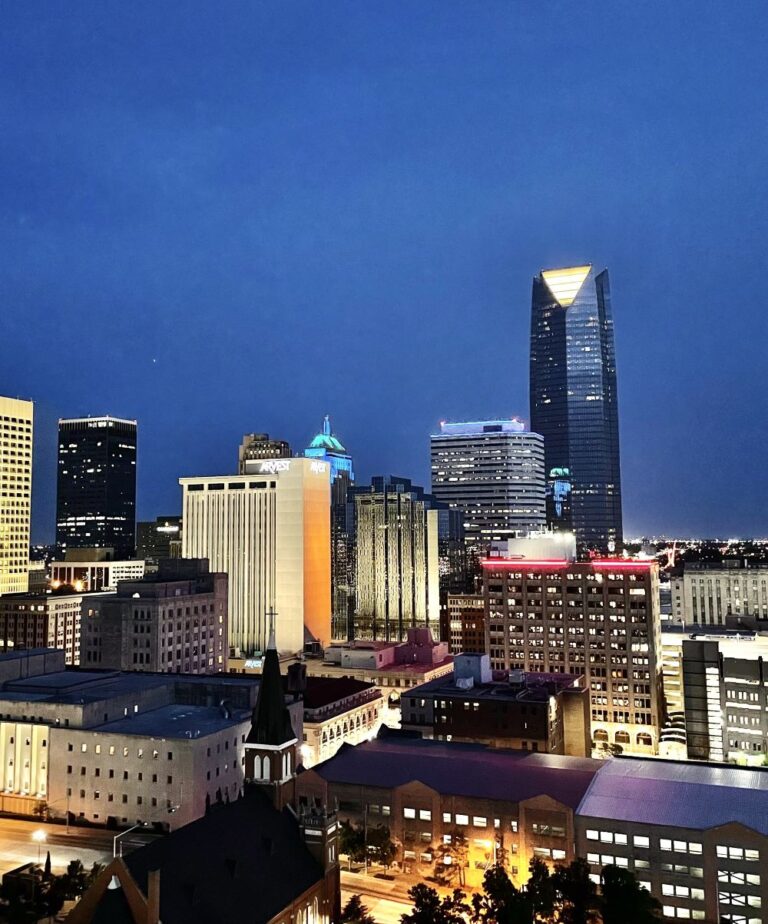
Motorcycle Accident Lawyer in Edmond, Oklahoma
Motorcycle accidents can have devastating consequences, leading to severe injuries, significant medical expenses, and emotional distress. In Edmond, Oklahoma, the increasing number of motorcyclists has unfortunately been accompanied by a rise in motorcycle-related accidents. At Hawkins Felton, we are dedicated to providing comprehensive legal representation to motorcycle accident victims, helping them pursue justice and fair compensation.
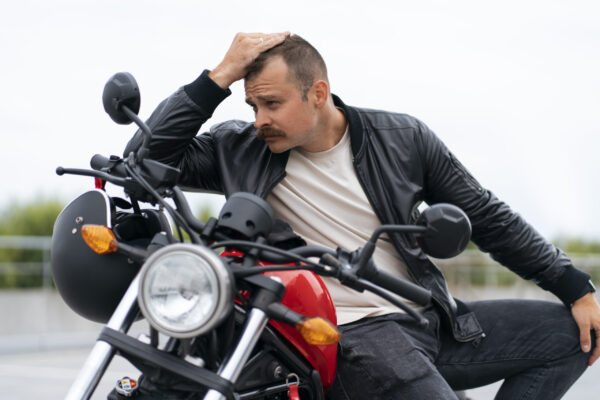
Common Types of Motorcycle Accidents
Motorcycle accidents can occur in various ways, each presenting unique challenges, risks, and potential injuries. Because motorcycles offer less protection than cars, riders are more vulnerable to severe injuries in the event of an accident. Understanding the different types of motorcycle crashes can help riders, drivers, and legal professionals determine liability and take appropriate legal action when necessary.
1. Left-Turn Collisions
One of the most frequent and dangerous types of motorcycle accidents occurs when a vehicle makes a left-hand turn at an intersection or driveway, cutting off an oncoming motorcyclist. These accidents happen because drivers often misjudge the speed of an approaching motorcycle or fail to see the rider entirely. Many left-turn accidents occur when a driver makes one of these mistakes.
Fails to yield the right-of-way and turns in front of an oncoming motorcycle.
Is distracted and does not check for smaller vehicles like motorcycles.
Misjudges the motorcyclist’s speed, assuming they have time to turn.
Does not use turn signals properly, confusing the rider about their intentions.
Injuries in Left-Turn Collisions
- Broken Bones
- Traumatic Brain Injuries (TBIs)
- Spinal Cord Injuries
- Internal Organ Damage
Legal Considerations.
In most cases, the turning driver is at fault because they must yield to oncoming traffic. However, factors such as excessive motorcycle speed or running a red light can complicate liability. An experienced motorcycle accident attorney can help determine fault and fight for compensation.
2. Head-On Collisions
Head-on collisions are among the deadliest motorcycle accidents. These occur when a vehicle crosses into the opposite lane or fails to complete a safe passing maneuver, directly colliding with an oncoming motorcycle.
Common Causes of Head-On Crashes
Distracted or impaired driving. A driver texting, eating, or under the influence may drift into the opposite lane.
Fatigue. Tired drivers may momentarily lose focus and veer into oncoming traffic.
Passing on two-lane roads. A driver may attempt to overtake another vehicle without properly checking for oncoming motorcycles.
Sharp curves and poor visibility. A driver speeding around a bend may lose control and collide with a motorcycle.
Injuries in Head-On Collisions
- Fatal Injuries
- Severe Fractures
- Amputations
- Spinal Cord Injuries Leading to Paralysis
Legal Considerations.
Because these crashes are often catastrophic, determining fault is important. If a driver negligently crossed into the motorcyclist’s lane, they are usually liable for damages. If the accident was caused by poor road maintenance (e.g., potholes or missing road signs), a government entity may be held responsible.
3. Lane-Switching Accidents
Lane-switching accidents happen when a car changes lanes and collides with a motorcycle that was in its blind spot. Motorcycles’ smaller size makes them harder to see, and drivers who do not check their mirrors carefully may not notice them.
Common Causes of Lane-Switching Crashes
Lane-switching crashes happen when a driver moves into the space a motorcycle already occupies. A rider has little room to escape and may be forced off the road. These crashes usually trace back to a driver who failed to check a blind spot or signal.
- Failure to Check Blind Spots Before Merging
- Not Using Turn Signals Properly
- Driving Aggressively or Weaving Through Traffic
- Motorcycles Riding in a Car’s Blind Spot for Too Long
Injuries in Lane-Switching Accidents
- Road Rash From Being Forced off the Road
- Broken Arms or Legs
- Neck and Back Injuries
Legal Considerations.
Drivers who fail to properly check their surroundings before merging are typically at fault. However, motorcyclists must also practice defensive riding and avoid lingering in a vehicle’s blind spot.
4. Rear-End Collisions
A rear-end collision occurs when a vehicle crashes into the back of a motorcycle. Because motorcycles are much smaller and lighter than cars, even a low-speed rear-end crash can throw a rider off their bike, leading to serious injuries.
Common Causes of Rear-End Crashes
Tailgating. Following too closely does not allow enough stopping distance.
Distracted driving. A driver looking at their phone may not notice a motorcycle slowing down.
Sudden braking. A car driver may not anticipate a motorcyclist stopping quickly.
Slippery road conditions. A driver skids into the back of a motorcycle on wet or icy roads.
Injuries in Rear-End Collisions
- Whiplash
- Lower Back Injuries
- Head Trauma
- Broken Ribs
Legal Considerations.
In most cases, the driver who rear-ends another vehicle is at fault. However, a motorcyclist could share responsibility if they suddenly brake without reason or fail to have working taillights.
5. Cornering Accidents
Cornering accidents happen when a motorcyclist misjudges a curve, causing them to lose control and crash. These accidents often occur on winding roads.
Common Causes of Cornering Crashes
A curve leaves a rider little margin for error when the road is wet, icy or covered with gravel. Too much speed going into the turn and a sudden correction in the middle of it can also send a motorcycle down. When poor road upkeep plays a part, the agency responsible for the road may share the blame.
- Excessive Speed Entering a Turn
- Gravel, Sand, or Oil on the Road
- Wet or Icy Conditions
- Failure to Lean Properly Into the Curve
- Overcorrecting Mid-Turn
Injuries in Cornering Accidents
- Broken Arms, Wrists, or Legs
- Head Injuries
- Severe Road Rash
Legal Considerations.
If a cornering accident is due to poorly maintained roads, the local government may be responsible. If another vehicle forced the motorcyclist off the road, the driver could be held liable.
6. Dooring Accidents
A dooring accident happens when a driver or passenger in a parked car suddenly opens their door into the path of an approaching motorcycle. The rider may not have enough time to react, causing them to collide with the door or swerve into traffic.
Common Causes of Dooring Crashes
A dooring crash happens when someone opens a car door into the path of a passing rider. Riders who travel close to parked cars have almost no time to react. The person who opened the door without looking is usually the one at fault.
- Drivers or Passengers Failing to Check Their Mirrors Before Opening a Door
- Motorcyclists Riding Too Close to Parked Cars
Injuries in Dooring Accidents
- Broken Collarbones or Wrists
- Facial Injuries
- Concussions
Legal Considerations.
The person who opened the car door without checking for traffic is typically at fault. However, a motorcyclist who rides too close to parked cars could share responsibility.
7. High-Speed Motorcycle Accidents
Motorcycles are capable of reaching high speeds quickly, which can sometimes lead to severe crashes. Speeding accidents may involve only the motorcyclist or include other vehicles.
Common Causes of High-Speed Crashes
Riding at excessive speeds. High speeds reduce reaction time.
Sudden obstacles. An unexpected car, animal, or pothole may cause a crash.
Loss of control. Motorcycles require skill to maneuver at high speeds safely.
Injuries in High-Speed Accidents
- Fatal Injuries
- Internal Organ Damage
- Severe Burns and Road Rash
Legal Considerations.
In some cases, speeding motorcyclists are found at fault for their own injuries. However, if another driver was reckless or impaired, they may share responsibility.
8. Hit-and-Run Motorcycle Accidents
Hit-and-run accidents occur when a driver collides with a motorcyclist and flees the scene. These accidents leave victims without immediate medical help or insurance information.
Common Causes of Hit-and-Run Crashes
Drivers flee a crash for many reasons, including impairment, a lack of insurance or not noticing the rider at all. A hit-and-run leaves you without the other driver’s name or insurance at first. Your own uninsured motorist coverage may pay for your injuries if the driver is never found.
- Drivers Under the Influence Trying to Avoid Legal Consequences
- Uninsured Drivers
- Distracted Drivers Unaware They Hit Someone
Injuries in Hit-and-Run Accidents
- Any Type of Injury, Including Life-Threatening Trauma
Legal Considerations.
If the driver is found, they face criminal penalties and civil lawsuits. If the driver is not found, victims may need to seek compensation through uninsured motorist coverage.
Protecting Yourself After a Motorcycle Accident
If you have been injured in a motorcycle accident, an experienced lawyer can help you recover damages for medical expenses, lost wages, and pain and suffering. Hawkins Felton is here to fight for your rights and help you pursue fair compensation. Contact us today for a free consultation to discuss your case.
Common Causes of Motorcycle Accidents in Edmond
Motorcycling is a popular mode of transportation and recreation in Edmond, Oklahoma, with its scenic roads, open highways, and growing suburbs. However, motorcycle riders are at greater risk of serious injuries or fatalities due to their lack of protection compared to drivers in enclosed vehicles. While motorcycles make up only a fraction of vehicles on the road, they account for a disproportionately high percentage of serious and fatal crashes.
In Edmond, where high-traffic areas like Broadway Extension, I-35, and Route 66 see heavy vehicle congestion, motorcyclists are particularly vulnerable to reckless and inattentive drivers. At Hawkins Felton, we represent motorcycle accident victims and their families, helping them pursue compensation for medical expenses, lost wages, and pain and suffering.
Below, we outline the leading causes of motorcycle accidents in Edmond and how our attorneys and staff can help you seek justice if you’ve been involved in a crash.
1. Distracted Driving
A motorcycle fills a small part of a driver’s view, so a glance at a phone can be enough to miss one completely. Texting, GPS screens and eating behind the wheel all pull attention away from approaching riders. Phone records and witness statements can show what the driver was doing in the seconds before the crash.
What Is Distracted Driving?
Distracted driving occurs when a driver’s attention is taken away from the road, significantly increasing the risk of hitting a motorcyclist. Because motorcycles are smaller and less visible than cars, they are often overlooked by distracted drivers.
Why Distracted Driving Is a Problem in Edmond
Texting While Driving. One of the most dangerous distractions, texting can take a driver’s eyes off the road for 5 seconds, enough time to cover the length of a football field at 55 mph.
GPS and In-Car Devices. Drivers adjusting GPS, music, or dashboard controls may fail to see an approaching motorcycle.
Eating and Drinking Behind the Wheel. A driver focused on their meal instead of traffic can miss a motorcyclist changing lanes or braking ahead.
How Distracted Driving Causes Motorcycle Crashes
Failure to Check Blind Spots. Many drivers fail to properly check for motorcycles when changing lanes.
Sudden Rear-End Collisions. A distracted driver may not notice a motorcycle slowing down in front of them.
Drifting into a Motorcycle’s Lane. A momentary distraction can cause a driver to swerve into a motorcyclist’s path.
Were you hit by a distracted driver in Edmond? Call Hawkins Felton today to discuss your case.
2. Speeding as a Leading Factor in Fatal Motorcycle Crashes
A speeding driver has less time to see a motorcycle and less room to stop. In Edmond that danger runs from 2nd Street, Danforth Road and Covell Road to I-35 and the Kilpatrick Turnpike. Riders have no steel frame around them, so a high-speed impact often causes severe injuries.
Why Speeding Increases Motorcycle Accident Risks
Speeding reduces a driver’s reaction time, making it harder to avoid collisions with motorcycles. High-speed crashes involving motorcycles are more likely to be fatal due to the force of impact.
Why Speeding Is a Problem in Edmond
High-Speed Roads and Intersections. Locations like 2nd Street, Danforth Road, and Covell Road see frequent speeding incidents.
Highway and Interstate Collisions. Speeding on I-35 and Kilpatrick Turnpike puts motorcyclists at risk of deadly high-impact crashes.
Lack of Awareness of Motorcycles. Drivers traveling at excessive speeds have less time to see and react to nearby motorcyclists.
Common Speeding-Related Motorcycle Accidents
Failure to Stop in Time. Speeding drivers cannot stop quickly enough when a motorcycle is ahead.
Losing Control in Curves. Motorcyclists who misjudge a turn at high speeds may skid off the road.
Severe T-Bone Collisions. Speeding through red lights or stop signs at intersections leads to deadly side-impact crashes.
If a speeding driver caused your motorcycle accident, call Hawkins Felton for legal representation.
3. Driving Under the Influence
Impaired drivers react slowly and misjudge distance, which puts riders at special risk. Some leave bars and restaurants along Route 66 and drive home late at night or on weekends. A drunk driver who hits a motorcyclist faces a criminal case, and the rider can bring a separate claim for injuries.
How Alcohol and Drug Use Contribute to Motorcycle Accidents
Drunk and drug-impaired drivers pose a major threat to motorcyclists. Impaired driving reduces coordination, reaction time, and decision-making ability, making collisions more likely and more severe.
Why DUI-Related Crashes Happen in Edmond
Bars and Restaurants Along Route 66. Some drivers get behind the wheel after drinking at local establishments.
Late-Night and Weekend DUI Accidents. Most alcohol-related motorcycle crashes occur between midnight and 3 a.m.
Impaired Judgment at Intersections. Drunk drivers often run red lights, failing to yield to motorcycles.
Common DUI-Related Motorcycle Accidents
Wrong-Way Crashes. Impaired drivers may enter the wrong lane, leading to fatal head-on collisions.
Swerving into Motorcycles. Drunk drivers often fail to maintain lanes, crashing into riders.
Failure to Brake or Stop. Impaired reaction times increase the risk of rear-end collisions.
If a drunk or drugged driver caused your motorcycle accident, Hawkins Felton will fight for justice.
4. Failure to Yield the Right of Way
Drivers often misjudge how fast an oncoming motorcycle is moving, especially when they turn left. Intersections such as 2nd and Bryant and 15th and Broadway, along with four-way stops and roundabouts, see these crashes in Edmond. A driver who fails to yield is usually the one who has to answer for the crash.
How Failure to Yield Causes Motorcycle Accidents
Many drivers fail to properly yield to motorcyclists, especially at intersections and stop signs. Because motorcycles are smaller and more maneuverable, some drivers mistakenly assume they have the right of way.
Why Failure to Yield Is a Problem in Edmond
Busy Intersections. 2nd and Bryant and 15th and Broadway are high-risk areas for failure-to-yield crashes.
Left-Turn Accidents. Drivers misjudge the speed of an oncoming motorcycle when making left turns.
Roundabouts and Stop Signs. Drivers often ignore right-of-way rules at four-way stops and roundabouts.
Common Failure-to-Yield Accidents Involving Motorcycles
Left-Turn Collisions. A vehicle turning left in front of a motorcycle can cause a severe T-bone crash.
Intersection Crashes. Drivers who run stop signs or red lights may strike motorcycles legally in the intersection.
Merging and Lane-Changing Accidents. Drivers who fail to yield when merging may collide with a passing motorcycle.
If a driver failed to yield and caused your motorcycle crash, Hawkins Felton can help.
5. Road Hazards for Motorcyclists
A pothole or patch of gravel that barely jolts a car can throw a motorcycle to the ground. Construction zones, loose debris, railroad tracks and wet pavement all reduce a rider’s grip. When a city or contractor left a hazard in place, a claim may run against the party responsible for the road.
Why Road Hazards Pose a Greater Risk to Motorcyclists
Unlike cars, motorcycles lack stability and protective barriers, making riders highly vulnerable to road hazards. Even a small pothole or piece of debris can cause a motorcyclist to lose control.
Common Road Hazards in Edmond
Potholes and Uneven Pavement. Construction zones and poorly maintained roads increase accident risks.
Loose Gravel and Debris. Gravel, sand, and fallen debris make turning and braking difficult for motorcycles.
Railroad Tracks and Wet Roads. Slick surfaces increase the risk of skidding and hydroplaning.
Who Is Responsible for Road Hazard Accidents?
The City of Edmond. If poor road maintenance caused your crash, the city may be liable.
Construction Companies. If a poorly marked construction site caused your accident, the contractor may be held responsible.
Truck and Commercial Drivers. If cargo fell from a truck and created road hazards, we can hold the trucking company liable.
If a road hazard caused your motorcycle accident, call Hawkins Felton today for legal guidance.
Steps to Take After a Motorcycle Accident in Edmond
A motorcycle accident can be a life-altering event, leaving riders with serious injuries, emotional distress, and financial burdens. Whether you’re riding through downtown Edmond, cruising along Route 66, or navigating heavy traffic on I-35, accidents can happen in an instant. In the moments following a crash, it’s important to stay calm and take immediate action to ensure your safety, document the scene, and protect your legal rights.
At Hawkins Felton, we represent injured motorcyclists in Edmond and help them seek fair compensation for medical expenses, lost wages, and damages. By following these essential steps after a motorcycle accident, you can preserve evidence and protect your legal rights.
Step 1. Check for Injuries and Move to a Safe Location
Motorcycle accidents often result in serious injuries, so checking yourself and others for harm is the first priority. Due to the lack of protective barriers on motorcycles, riders are at risk of these injuries.
Head and Traumatic Brain Injuries (TBIs).
Spinal Cord and Neck Injuries.
Fractures, Road Rash, and Internal Injuries.
What to Do Immediately After the Accident
Check Yourself and Passengers for Injuries. If you’re unable to move, stay still and wait for emergency responders.
Move to a Safe Location (If Possible). If you’re in the middle of a busy road like 2nd Street or Danforth Road, move to the shoulder or a sidewalk if it’s safe to do so.
Turn on Hazard Lights or Use a Flashlight. If it’s dark, use your motorcycle’s lights or a phone flashlight to make yourself visible to other drivers.
If you or anyone else is injured, call 911 immediately.
Step 2. Call Emergency Services and Report the Accident to the Police
Even if the accident seems minor, calling the police is essential for legal and insurance purposes.
Why Calling 911 Is Important
A Police Report Creates an Official Record. Insurance companies will require an accident report to process your claim.
Police Can Determine Fault. Officers will interview witnesses and assess the crash scene.
It’s Required for Injury or Significant Damage. Oklahoma law requires you to report accidents that result in injuries or major property damage.
What to Tell the Police
Provide Factual Information. Stick to the facts and avoid admitting fault.
Ask for a Copy of the Police Report. You will need it for your insurance claim and potential lawsuit.
Always call 911 after a motorcycle accident, even if you think the injuries are minor.
Step 3. Document the Scene and Gather Evidence
The evidence you collect at the scene will be critical in proving fault and supporting your claim. Since motorcycles are smaller than cars, insurance companies often try to blame riders, even when they aren’t at fault.
What to Capture With Your Phone
Your Motorcycle and the Other Vehicle(s). Take pictures from multiple angles showing damage and impact points.
Road Conditions and Traffic Signs. Capture skid marks, potholes, traffic signals, and hazardous conditions.
Injuries. Document visible injuries like bruises, cuts, and fractures.
License Plates and Driver’s License. Make sure to get clear images of the other driver’s license and plate number.
Pro Tip. If possible, record a video describing what happened immediately after the accident while your memory is fresh.
Step 4. Exchange Information and Speak to Witnesses
Oklahoma law requires drivers and motorcyclists involved in accidents to exchange information.
Information You Should Collect
Other Driver’s Name, Contact Info, and Insurance Details.
Vehicle Make, Model, and License Plate Number.
Names and Contact Info of Any Witnesses.
Why Witness Statements Matter
Eyewitness accounts can support your case if the other driver tries to deny fault.
Pro Tip. If the other driver refuses to provide insurance details, wait for the police to arrive and let them handle it.
Step 5. Seek Medical Attention Because Some Injuries Appear Later
Even if you feel fine, some injuries may not appear for hours or days. Concussions, internal bleeding, and soft tissue damage often have delayed symptoms.
Why Seeing a Doctor Is Critical
Protect Your Health. Internal injuries can worsen if left untreated.
Medical Records Document Your Injuries. A doctor’s evaluation connects your injuries directly to the accident.
Insurance Companies May Deny Your Claim if You Delay Treatment. Seeking care immediately shows that your injuries are serious.
Where to Seek Medical Treatment in Edmond
OU Health Edmond Medical Center. Emergency trauma care for serious injuries.
Mercy Clinic Urgent Care. Edmond, Treatment for non-life-threatening injuries.
Edmond Physical Therapy and Chiropractic Centers. Recovery services for whiplash, fractures, and back pain.
Pro Tip. Even if you visit an ER, schedule a follow-up with a doctor for ongoing care.
Step 6. Contact a Motorcycle Accident Lawyer
Insurance companies often try to shift blame onto motorcyclists or offer lowball settlements. An experienced motorcycle accident lawyer can help you pursue fair compensation.
Why You Need a Lawyer After a Motorcycle Accident
We Handle Insurance Companies. We negotiate to help you pursue a fair payout.
We Prove Fault and Liability. We use accident reconstructions, witness statements, and expert testimony to hold the at-fault party accountable.
We Fight for Fair Compensation. We seek damages for these losses.
Medical bills and rehabilitation costs.
Lost wages and future income.
Pain, suffering, and emotional distress.
Property damage and motorcycle repairs.
Why Choose Hawkins Felton?
We offer free consultations.
No upfront fees. You don’t pay unless we win your case.
With decades of experience in Oklahoma personal injury law, we guide you through every step of the legal process and keep you informed.
Call Hawkins Felton today to speak with an experienced motorcycle accident attorney.
Contact Us Today
If you or a loved one has been involved in a motorcycle accident in Edmond, Oklahoma, don’t navigate this challenging time alone. Contact Hawkins Felton today for a free consultation. Let our experienced team advocate for your rights and help you pursue fair compensation.
Remember, at Hawkins Felton, we care about you, not just your case. Trust us to be your steadfast ally in the pursuit of justice.