Woman Clinging to Life in Tulsa Hospital After Mysterious Attack by Potential Guard Dog
A woman remains in critical condition after a violent and unexplained animal attack in Oklahoma, according to FOX23. Reports indicate that the victim suffered severe injuries investigators claim are unlike anything they’ve witnessed in over 30 years, believed to be caused by a possible dog, leaving her hospitalized in Tulsa and fighting for her life. This attack has raised serious concerns about animal control, property safety, and accountability when dangerous animals are involved. As investigators continue working to determine what led to the incident, questions remain about ownership, supervision, and whether the attack could have been prevented.
At Hawkins Felton Law, we understand how devastating and traumatic incidents like this can be for victims and their families. Our team works closely with individuals to investigate the circumstances, identify responsible parties, and build strong claims that reflect the full extent of the injuries and losses involved. We remain committed to providing clear guidance and reliable support throughout every stage of the legal process. If you or a loved one has been affected by a similar Tulsa dog attack, call us at (918) 583-6007 today to discuss your legal options and take the next step forward.
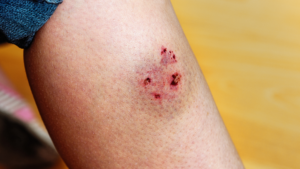
Why Legal Representation Matters After a Tulsa Dog Attack
At Hawkins Felton Law, we recognize how a Tulsa dog attack can lead to serious physical injuries, emotional trauma, and unexpected financial burdens for victims and their families. These cases often involve complex liability issues, including determining ownership, evaluating negligence, and navigating insurance claims. Therefore, we step in to protect your rights, gather critical evidence, and build a strong case that accurately reflects your damages. Our team works proactively to ensure every detail supports your claim while keeping your best interests at the center of every decision.
In addition, we focus on pursuing compensation for medical expenses, lost income, and long-term recovery needs that often follow severe animal attacks. We handle communication with insurance companies and opposing parties while developing a strategy designed to achieve the strongest possible outcome. Throughout the process, we provide consistent updates so you always understand your options and feel confident moving forward. With our support, you can focus on recovery while we manage the legal complexities on your behalf.

What to Do After a Tulsa Dog Attack
Taking the right steps after a Tulsa dog attack can protect your health, preserve important evidence, and strengthen your ability to pursue compensation. These situations often happen suddenly, leaving victims unsure of what to do next. Acting quickly while remaining focused on safety and documentation can make a significant difference in the outcome of a claim. Understanding these steps helps ensure that both immediate and long-term needs are properly addressed.
Seek Immediate Medical Attention
Your health should always come first after a dog attack, even if injuries seem minor at the time. Dog bites can lead to infections, nerve damage, or complications that may not appear immediately. Seeking medical care creates a clear record linking your injuries to the incident. In addition, following treatment recommendations supports both recovery and your legal claim.
Follow Through with Treatment
Ongoing medical care plays an important role in documenting injuries and ensuring proper healing. Attending follow-up appointments and completing prescribed treatments demonstrates the seriousness of your condition. Gaps in care may raise questions about the extent of injuries. Maintaining detailed records helps strengthen your case.
Report the Incident to Authorities
Reporting a Tulsa dog attack to local authorities or animal control helps create an official record of the incident. This documentation may include details about the dog, the location, and any prior complaints. Authorities may also investigate whether the animal has a history of aggressive behavior. Filing a report helps support your claim and promotes public safety.
Importance of Animal Control Reports
Animal control reports provide valuable evidence that can help establish liability in a dog attack case. These reports often include statements, observations, and findings from investigators. Insurance companies may rely on this documentation when evaluating claims. Ensuring accuracy in the report can benefit your case.
Gather Evidence at the Scene
Collecting evidence as soon as possible helps preserve details that may fade or change over time. This may include photographs of injuries, the location, and the dog involved in the attack. Witness contact information can also provide additional support for your claim. Taking these steps creates a stronger foundation for your case.
Document Injuries and Conditions
Photographs and videos can capture the severity of injuries and the conditions surrounding the attack. This visual evidence can support medical records and provide context for the claim. In addition, documenting the environment may reveal factors that contributed to the incident. Early documentation helps strengthen the overall case.
Avoid Direct Communication with Insurance Companies
Insurance companies may contact victims soon after a dog attack to gather statements or offer settlements. While these interactions may seem routine, they can affect your claim if handled without caution. Providing incomplete or inaccurate information may reduce compensation. Taking time to understand your rights helps protect your interests.
Risks of Early Settlement Offers
Initial settlement offers often do not reflect the full extent of injuries and long-term impacts. Accepting an offer too quickly may limit your ability to recover additional compensation later. Evaluating all damages carefully ensures that compensation aligns with actual needs. Waiting for a full assessment can lead to better outcomes.
Consult a Dog Bite Attorney
Speaking with an attorney early in the process can provide clarity and direction during a stressful time. Legal guidance helps ensure that your rights remain protected while building a strong claim. Attorneys can evaluate your case, gather evidence, and develop a strategy tailored to your situation. Early involvement often improves the strength of your claim.
How Legal Support Strengthens Your Case
Attorneys manage communication with insurers, collect documentation, and advocate on your behalf throughout the process. This support reduces stress while improving the quality of your claim. In addition, legal guidance helps avoid mistakes that could affect compensation. With proper support, victims can move forward with confidence.

Injuries Commonly Reported in a Tulsa Dog Attack
A Tulsa dog attack can result in a wide range of injuries that vary in severity depending on the circumstances of the incident. Victims often face both physical harm and emotional trauma that may require ongoing care and support. These injuries can affect daily life, mobility, and overall well-being for an extended period. Understanding the types of injuries involved highlights the serious impact of these incidents.
Bite Wounds and Physical Trauma
Dog bites often cause puncture wounds, lacerations, and tissue damage that may require immediate medical attention. These injuries can lead to bleeding, scarring, and long-term complications if not treated properly. In some cases, surgical intervention may be necessary to repair damaged tissue. The severity of these wounds depends on the force of the attack and the location of the injuries.
Risk of Infection and Complications
Dog bites carry a high risk of infection due to bacteria present in the animal’s mouth. Without proper treatment, infections can spread and create serious health risks. Victims may require antibiotics, vaccinations, or additional medical care to prevent complications. Early treatment plays a critical role in recovery.
Nerve Damage and Loss of Function
Severe dog attacks can result in nerve damage that affects movement and sensation in the affected area. These injuries may lead to long-term or permanent loss of function depending on the extent of the damage. Recovery often requires physical therapy and ongoing medical support. Nerve injuries can significantly impact quality of life.
Long-Term Physical Limitations
Loss of function may affect a victim’s ability to perform daily tasks or return to work. In some cases, individuals may require assistive devices or lifestyle adjustments. These limitations can create both physical and financial challenges. Addressing these impacts is essential when evaluating damages.
Emotional Trauma and Psychological Effects
In addition to physical injuries, victims of a Tulsa dog attack often experience emotional and psychological effects. These may include anxiety, fear of animals, and post-traumatic stress that affects daily activities. Emotional trauma can develop immediately or over time following the incident. These effects may require counseling or therapy.
Impact on Daily Life and Well-Being
Psychological injuries can influence relationships, work performance, and overall quality of life. Victims may avoid certain environments or activities due to fear or anxiety. In addition, emotional distress can affect sleep, concentration, and mental health. Addressing these challenges remains an important part of recovery.

Who May Be Liable in a Tulsa Dog Attack Case
Determining liability in a Tulsa dog attack case requires a detailed and comprehensive evaluation of the circumstances surrounding the incident. Responsibility often depends on factors such as ownership, control of the animal, prior behavior, and whether reasonable safety measures were in place. In many cases, more than one party may share liability depending on how the situation developed. Identifying all responsible parties ensures that accountability is fully addressed while maximizing the potential for fair compensation.
Dog Owners and Their Responsibilities
Dog owners are often the primary parties held responsible when their animals cause harm to others. Owners have a legal duty to control their pets, follow local laws, and take reasonable steps to prevent dangerous behavior. Failure to leash, restrain, or properly supervise a dog can quickly lead to liability in the event of an attack. Demonstrating that an owner failed to meet these responsibilities plays a key role in building a strong claim.
Knowledge of Aggressive Behavior
If an owner knew or reasonably should have known that a dog had aggressive tendencies, liability may increase significantly. Prior bite incidents, complaints, or warning signs can establish that the risk was foreseeable and preventable. Ignoring these warning signs or failing to take corrective action often strengthens a victim’s claim. This factor becomes especially important when proving negligence and establishing fault.
Failure to Follow Local Laws
Local ordinances, including leash laws and containment requirements, are designed to reduce the risk of dog attacks. When an owner violates these regulations, it may serve as strong evidence of negligence. For example, allowing a dog to roam freely in public or failing to secure a yard can contribute directly to an attack. These violations often play a critical role in determining liability.
Property Owners and Premises Liability
Property owners may also share responsibility if unsafe conditions on their property contributed to the dog attack. This may include allowing a dangerous animal to remain on the premises or failing to provide adequate warnings to visitors. Individuals who enter a property have a reasonable expectation of safety under normal conditions. Identifying these factors can expand liability beyond the dog owner.
Duty to Maintain Safe Conditions
Property owners must take reasonable steps to prevent foreseeable harm, including addressing known risks involving animals. This may involve repairing broken fences, posting warning signs, or restricting access to dangerous areas. Failure to take these precautions can create unsafe conditions that lead to liability. Evaluating whether these duties were met helps determine responsibility.
Liability for Landlords and Tenants
In some situations, landlords or property managers may share liability if they were aware of a dangerous dog on the property and failed to act. Tenants who own or control the dog may also bear responsibility for maintaining safe conditions. Determining how control and knowledge were shared between parties becomes important in these cases. This analysis can influence how liability is divided.
Third Parties and Additional Responsibility
In certain situations, individuals other than the dog owner may be responsible for controlling the animal at the time of the attack. This may include dog walkers, pet sitters, trainers, or caretakers who assumed responsibility for the animal. Their actions, decisions, or failure to act appropriately can contribute to the incident. Identifying these parties ensures that all responsible individuals are included in the claim.
Responsibility of Caretakers and Handlers
Caretakers who take control of a dog must follow proper safety measures to prevent harm to others. Failure to use restraints, supervise the animal, or recognize warning signs can result in shared liability. These individuals may be held accountable if their negligence contributed to the attack. Evaluating their role helps create a more complete picture of responsibility.
Liability Involving Businesses and Commercial Settings
In some cases, a Tulsa dog attack may occur in a commercial setting, such as a business property or workplace. Businesses that allow dogs on-site may have a responsibility to ensure customer safety. Failure to implement proper policies or address known risks can lead to liability. These cases often involve additional legal considerations.
Business Duty to Protect Customers
Businesses have a duty to maintain a safe environment for customers and visitors. Allowing a dangerous animal on the premises without proper safeguards may create unnecessary risk. If a business fails to act on known dangers, it may share responsibility for the attack. This factor can expand the scope of a claim.
Expanding the Scope of Liability
Evaluating all potential contributors helps create a more accurate and complete understanding of how the dog attack occurred. This approach ensures that no responsible party is overlooked during the legal process. In addition, identifying multiple liable parties may increase the total compensation available to the victim. A thorough and detailed analysis remains essential for building a strong and effective claim.
Importance of a Comprehensive Investigation
A comprehensive investigation helps uncover details that may not be immediately apparent after the attack. Reviewing reports, gathering evidence, and analyzing responsibilities allows for a clearer determination of fault. This process strengthens the overall claim and supports more effective legal strategies. Careful evaluation of all factors ensures that liability is properly assigned.

Evidence That Strengthens a Tulsa Dog Attack Claim
Strong evidence plays a critical role in building a successful claim after a Tulsa dog attack by demonstrating liability and supporting damages. Proper documentation helps establish how the incident occurred and the extent of injuries involved. Collecting and preserving evidence early can significantly improve the outcome of a case. A well-supported claim relies on clear and reliable information.
Medical Records and Treatment Documentation
Medical records provide detailed information about injuries, treatment, and recovery following a dog attack. These records create a direct link between the incident and the harm suffered. They also help establish the severity and long-term impact of injuries. Accurate documentation strengthens the claim.
Linking Injuries to the Attack
Establishing a clear connection between the attack and resulting injuries is essential for compensation. Medical documentation supports this link through diagnoses and treatment history. Consistent records improve the credibility of the claim. This connection ensures that damages are properly evaluated.
Photographs and Visual Evidence
Visual evidence helps capture the conditions surrounding the attack and the severity of injuries. Photos of wounds, the location, and the animal involved provide valuable context. This documentation can support both liability and damages. Clear visuals strengthen the overall presentation of the claim.
Importance of Timely Documentation
Capturing images as soon as possible helps preserve details that may change over time. Injuries may heal, and the scene may be altered or cleaned. Early documentation ensures that accurate information remains available. This proactive step strengthens the case.
Witness Statements and Reports
Witnesses can provide independent accounts of the incident that support the victim’s version of events. Their statements may confirm how the attack occurred and identify contributing factors. In some cases, witness testimony becomes a key element in resolving disputes. Including these perspectives adds credibility.
Strengthening Credibility Through Witnesses
Consistent witness accounts that align with other evidence help reinforce the accuracy of the claim. Multiple statements can create a clearer and more reliable narrative. In addition, credible witnesses can influence how insurers evaluate the case. Their input plays an important role in building a strong claim.
Animal Control and Official Reports
Animal control reports and official documentation provide important details about the dog and the circumstances of the attack. These reports may include prior incidents, owner information, and investigation findings. Insurance companies often rely on this information when assessing claims. Including these reports strengthens the overall case.
Role of Prior Complaints and Violations
Evidence of previous complaints or violations involving the dog can significantly impact liability. These records may demonstrate a history of aggressive behavior or negligence. Identifying these patterns helps support the claim. This information can play a key role in establishing responsibility.

How a Dog Bite Accident Attorney in Tulsa Supports Injured Victims
A Tulsa dog attack can leave victims facing serious injuries, emotional trauma, and unexpected financial challenges that disrupt daily life. Recovering from these incidents often requires more than medical care, as victims must also navigate legal and insurance processes. A dog bite accident attorney provides structured support to help individuals understand their rights and pursue compensation. With a strategic approach, attorneys work to build strong claims that reflect the full impact of the incident.
Investigating the Circumstances of the Attack
A thorough investigation plays a critical role in determining how the dog attack occurred and who may be responsible. Attorneys review incident reports, gather witness statements, and analyze available evidence to establish key facts. In addition, they may examine property conditions, prior complaints, and local ordinances related to animal control. This process helps create a clear understanding of liability.
Gathering and Preserving Evidence
Evidence serves as the foundation of a strong dog bite claim and helps demonstrate responsibility for the attack. This may include medical records, photographs of injuries, animal control reports, and witness accounts. Preserving this information early helps prevent important details from being lost or overlooked. Strong documentation allows attorneys to present a more compelling case.
Identifying Liability and Responsible Parties
Determining liability in a Tulsa dog attack often involves evaluating multiple factors related to ownership and control of the animal. In many cases, the dog owner may be held responsible for failing to properly restrain or supervise the animal. However, other parties such as property owners or caretakers may also share responsibility depending on the situation. Identifying all liable parties ensures that accountability is fully addressed.
Understanding Owner Responsibility
Dog owners have a responsibility to prevent their animals from causing harm to others. Failure to follow leash laws, secure property boundaries, or address known aggressive behavior can contribute to liability. Demonstrating that an owner did not meet these responsibilities helps support a claim. Clear evidence of negligence strengthens the overall case.
Calculating the Full Extent of Damages
Dog bite injuries often result in both physical and emotional harm that must be carefully evaluated when pursuing compensation. Attorneys assess damages such as medical expenses, lost income, and future treatment needs related to the injury. In addition, they consider non-economic damages like pain, suffering, and emotional distress. This comprehensive evaluation ensures that all losses are properly accounted for.
Long-Term Medical and Emotional Impact
Many victims experience long-term effects following a dog attack, including scarring, nerve damage, or psychological trauma. These impacts may require ongoing medical care, therapy, or rehabilitation. In addition, emotional effects such as anxiety or fear can affect daily activities and quality of life. Including these factors helps create a more accurate and complete claim.
Managing Insurance Claims and Negotiations
Insurance companies often become involved in dog bite cases and may attempt to limit payouts or dispute liability. Attorneys handle all communication with insurers to ensure that claims are presented accurately and effectively. They use evidence and case details to negotiate from a position of strength. This approach helps pursue fair compensation for victims.
Avoiding Common Insurance Pitfalls
Insurance adjusters may request recorded statements or offer quick settlements that do not reflect the full value of a claim. Accepting these offers too early can limit recovery options and future compensation. Understanding these tactics helps victims avoid decisions that may negatively impact their case. Legal guidance provides added protection during these interactions.
Providing Ongoing Legal Support
The legal process following a Tulsa dog attack can involve multiple steps that require careful attention and consistent follow-through. Attorneys provide ongoing support by answering questions, explaining legal options, and offering updates throughout the case. This guidance helps reduce uncertainty and allows victims to make informed decisions. Continuous support plays an important role in achieving a successful outcome.
Helping Victims Focus on Recovery
Recovering from a dog bite injury involves both physical healing and emotional adjustment, which can be difficult without proper support. Attorneys help manage legal responsibilities so victims can focus on their recovery and well-being. In addition, they ensure that every aspect of the claim reflects the true impact of the incident. This comprehensive approach allows individuals to move forward with greater confidence.
Contact an Experienced Tulsa Dog Bite Accident Attorney Now
After a serious animal attack, taking timely legal action can make a meaningful difference in protecting your rights and strengthening your case. Our team at Hawkins Felton Law is prepared to review your situation, answer your questions, and provide guidance tailored to your specific needs. We take a thorough approach by carefully evaluating all available evidence and identifying the best path forward for your claim. In addition, we prioritize clear and responsive communication so you always feel informed and supported.
We remain committed to helping you pursue compensation while handling every aspect of your case with diligence and attention to detail. Our attorneys manage investigations, negotiations, and legal strategy so you can focus on healing and recovery. Furthermore, we prepare each case with a results-driven approach designed to achieve the strongest possible outcome. Call us at (918) 583-6007 today or reach out online to schedule your consultation and begin moving forward.