

Broken Arrow Police Department Identifies Suspect in Pedestrian Hit-and-Run Accident
Broken Arrow police say they have identified a person of interest in connection with a pedestrian hit-and-run accident that left a victim seriously injured according to FOX32 reporting. Investigators have reviewed evidence and worked to locate the individual believed to be involved in the crash after the driver left the scene. Authorities continue examining witness statements and physical evidence as they pursue further developments in the case. Police have asked anyone with additional information about the incident to contact investigators while the case remains under active review.
Pedestrian hit-and-run crashes can leave victims and families facing devastating injuries, financial strain, and unanswered questions about accountability. When a driver leaves the scene, injured individuals may struggle to understand their legal rights and available compensation options. At Hawkins Felton Law, we understand how overwhelming these situations can be for victims seeking justice and financial recovery. If you or a loved one has been injured in a pedestrian crash, call (918) 583-6007 today to schedule a free consultation and learn how our team can help protect your rights.
Why Legal Support Matters After a Broken Arrow Pedestrian Hit-and-Run Accident
At Hawkins Felton Law, we understand how devastating a Broken Arrow pedestrian hit-and-run accident can be for victims and their families. Pedestrian crashes often cause severe injuries that require emergency medical treatment, long recovery periods, and significant financial burdens. When a driver leaves the scene, victims may feel uncertain about how to pursue accountability or compensation. Experienced legal support helps individuals understand their rights while building a strong case for financial recovery.
At Hawkins Felton Law, we take a proactive approach when handling a Broken Arrow pedestrian hit-and-run accident investigation. Our team carefully reviews police reports, secures available surveillance footage, interviews witnesses, and examines crash scene evidence to understand exactly how the collision occurred. When necessary, we work with accident reconstruction specialists who can analyze vehicle speed, roadway conditions, and impact patterns to clarify liability. By building a detailed and well-documented case, we help our clients pursue accountability and position them for the strongest possible financial recovery.
Common Injuries Caused by a Broken Arrow Pedestrian Hit-and-Run Accident
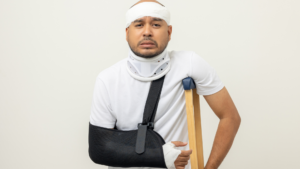
Pedestrian accidents often result in severe injuries because individuals on foot lack the physical protection that vehicles provide. The force of a vehicle striking a pedestrian can cause traumatic injuries affecting multiple parts of the body. Victims frequently require emergency medical treatment, hospitalization, and extended rehabilitation. Understanding common injury types helps illustrate the seriousness of these collisions.
Traumatic Brain Injuries
Head injuries frequently occur during pedestrian crashes when the victim strikes the pavement or surrounding structures. Traumatic brain injuries can disrupt normal brain function and produce symptoms such as confusion, headaches, and memory loss. Severe brain trauma may cause long-term neurological complications that affect daily activities. Medical treatment and rehabilitation often play a critical role in recovery.
Concussions and Cognitive Effects
Concussions represent one of the most common forms of traumatic brain injury following pedestrian accidents. Victims may experience dizziness, fatigue, or difficulty concentrating during recovery. Even mild brain injuries can cause lasting symptoms if not properly treated. Neurological evaluations help determine the severity of these injuries.
Long-Term Neurological Impairments
Severe brain injuries may produce permanent neurological impairments that affect speech, coordination, and emotional regulation. Victims sometimes require ongoing neurological care and rehabilitation therapy. These injuries can significantly alter a person’s ability to work or maintain independence. Comprehensive medical evaluation remains essential for long-term treatment planning.
Spinal Cord and Orthopedic Injuries
The force of a vehicle striking a pedestrian can also damage the spine and skeletal system. Victims may suffer fractures, spinal cord injuries, or severe soft tissue trauma during the collision. These injuries frequently require surgery, physical therapy, and long-term rehabilitation.
Spinal Cord Damage
Spinal cord injuries can disrupt communication between the brain and the rest of the body. Depending on the severity and location of the injury, victims may experience partial or complete paralysis. Rehabilitation programs often focus on restoring mobility and independence whenever possible.
Severe Bone Fractures
Fractures involving the arms, legs, ribs, or pelvis frequently occur during pedestrian collisions. These injuries often require surgical repair and extended recovery periods. Physical therapy helps restore strength and flexibility following treatment.

Determining Liability in a Broken Arrow Pedestrian Hit-and-Run Accident Case
Determining liability after a Broken Arrow pedestrian hit-and-run accident often requires a detailed and methodical investigation into the circumstances surrounding the crash. Although a driver leaving the scene may suggest wrongdoing, attorneys must still demonstrate that negligent conduct directly caused the collision and resulting injuries. Investigators typically review multiple forms of evidence, including surveillance footage, witness statements, crash scene documentation, and vehicle damage patterns. By carefully analyzing these factors, attorneys can establish how the accident occurred and identify the responsible parties.
In many hit-and-run cases, liability analysis becomes even more complex because the responsible driver initially attempts to avoid accountability. Law enforcement and legal teams may rely on vehicle fragments, nearby camera footage, or public tips to identify the driver involved. Once a suspect is identified, attorneys evaluate whether the driver violated traffic laws or acted negligently before the collision occurred. A well-documented investigation helps strengthen the victim’s claim and improves the likelihood of securing compensation.
Driver Negligence and Traffic Violations
Drivers have a legal duty to operate vehicles safely, obey traffic laws, and remain alert for pedestrians using the roadway. In busy communities like Broken Arrow, drivers must exercise additional caution in areas where foot traffic is common, including intersections, crosswalks, and residential neighborhoods. When motorists ignore these responsibilities, their actions can place pedestrians at significant risk. Establishing that a driver breached this duty of care often forms the foundation of a pedestrian accident claim.
Investigators frequently examine driver behavior leading up to the crash to determine whether negligence occurred. Traffic violations such as speeding, distracted driving, or failure to yield to pedestrians can demonstrate that the driver failed to exercise reasonable care. Police reports, witness accounts, and electronic data from the vehicle may all help confirm these violations. Demonstrating negligence helps attorneys build a strong argument that the driver bears legal responsibility for the injuries.
Distracted Driving
Distracted driving continues to represent one of the most common causes of pedestrian accidents. Drivers who look at mobile phones, adjust navigation systems, or interact with in-vehicle technology may divert their attention away from the roadway. Even a brief moment of distraction can prevent a driver from noticing a pedestrian crossing the street or walking near the roadway. When reaction time is reduced, the likelihood of a collision increases significantly.
Attorneys may examine cell phone records, vehicle data systems, and witness testimony to determine whether distraction contributed to the crash. Surveillance footage may also show whether the driver appeared inattentive before the collision occurred. Establishing distracted driving can provide strong evidence that the driver failed to operate the vehicle safely. This evidence often plays an important role in proving negligence in pedestrian accident cases.
Failure to Stop After a Collision
Leaving the scene of a pedestrian accident violates Oklahoma law and creates additional legal consequences for the driver involved. Drivers have a legal obligation to stop, provide assistance, and report the collision to authorities when an accident occurs. Failing to do so may lead to criminal charges as well as civil liability for the victim’s injuries. Hit-and-run behavior often strengthens arguments that the driver acted irresponsibly or attempted to avoid accountability.
In many cases, investigators rely on witness accounts, nearby cameras, or vehicle debris to identify the driver who fled the scene. Once identified, evidence of fleeing may support claims that the driver knowingly violated traffic laws. Courts and insurance companies often view hit-and-run behavior as a serious breach of duty. This conduct may significantly influence liability determinations and damage calculations.
Additional Sources of Liability
Although the driver often bears primary responsibility in a pedestrian hit-and-run accident, other parties may also share liability depending on the circumstances. Identifying every responsible party can increase the available insurance coverage and strengthen the victim’s compensation claim. Attorneys carefully review the facts of the case to determine whether additional individuals or entities contributed to the accident. Expanding the liability analysis helps ensure that victims pursue every possible avenue of recovery.
Other potential sources of liability may include employers, vehicle owners, or government entities responsible for roadway maintenance. If any of these parties contributed to unsafe conditions that led to the crash, they may share legal responsibility for the resulting injuries. Investigating these possibilities requires careful review of employment relationships, vehicle ownership records, and roadway safety conditions. Thorough analysis helps build a comprehensive claim.
Employer Responsibility
If the driver responsible for the crash was operating a vehicle as part of their job duties, the employer may share legal liability under certain circumstances. Employers can be held responsible when employees cause accidents while performing work-related tasks. Delivery drivers, rideshare operators, or company vehicle operators may fall under this category. Determining whether the driver acted within the scope of employment often requires reviewing employment contracts and company policies.
When employer liability applies, additional insurance coverage may become available for the injured pedestrian. Corporate policies often provide higher coverage limits than individual driver policies. Attorneys review these policies carefully to identify all available compensation sources. Holding employers accountable may significantly strengthen the victim’s financial recovery.
Roadway Conditions and Infrastructure
In some pedestrian accident cases, unsafe roadway conditions may contribute to the collision. Poor lighting, obstructed crosswalk markings, malfunctioning traffic signals, or inadequate signage can increase the risk of pedestrian accidents. If a government agency responsible for maintaining the roadway fails to address known hazards, it may share liability for resulting injuries. Establishing this responsibility requires demonstrating that the dangerous condition existed and that officials had notice of the problem.
Attorneys may review maintenance records, inspection reports, and prior complaints related to the roadway. These documents can help determine whether the hazard existed long enough for corrective action to occur. When government negligence contributes to an accident, victims may pursue claims against the responsible agency. Proper investigation helps ensure that all contributing factors receive careful evaluation.

Compensation Available After a Broken Arrow Pedestrian Hit-and-Run Accident
Victims injured in a Broken Arrow pedestrian hit-and-run accident often face serious financial and emotional challenges following the crash. Medical bills, lost income, and rehabilitation costs can quickly create overwhelming financial pressure. Compensation claims help address these losses by allowing injured pedestrians to pursue financial recovery from responsible parties or applicable insurance coverage. Understanding the types of damages available can help victims pursue the resources necessary for recovery.
Additionally, pedestrian accident claims may involve both economic and non-economic damages. Economic damages typically include measurable financial losses such as medical expenses and lost wages. Non-economic damages may compensate victims for pain, emotional distress, and reduced quality of life resulting from the accident. A comprehensive compensation claim should reflect both the immediate and long-term consequences of the crash.
Medical Expenses and Rehabilitation
Medical treatment often represents the largest category of damages following a pedestrian accident. Victims may require emergency medical transport, trauma care, diagnostic imaging, and surgical procedures immediately after the crash. Hospital stays, medications, and follow-up appointments can quickly generate substantial expenses during the initial stages of recovery. Documenting these costs remains essential when pursuing compensation.
In addition, many pedestrian accident victims require extended rehabilitation programs to regain mobility and independence. Physical therapy, occupational therapy, and neurological treatment may continue for months or even years. These services help patients recover strength, coordination, and daily functioning. Compensation claims must account for both current medical bills and ongoing treatment costs.
Long-Term Medical Treatment
Some injuries sustained in pedestrian accidents require ongoing medical care long after the initial recovery period. Victims may need continued physical therapy, pain management treatment, or specialized neurological monitoring. Assistive devices such as mobility aids or prosthetics may also become necessary depending on the severity of the injuries. These long-term medical needs can significantly increase the financial burden on victims and their families.
Medical providers often prepare reports describing the anticipated duration and cost of future treatment. These professional evaluations help attorneys estimate the full value of long-term medical care. Including these projections in compensation demands ensures that settlements reflect the true scope of recovery needs. Without careful planning, victims may struggle to afford necessary treatment later.
Future Medical Needs
Severe injuries may require additional surgeries, medical procedures, or specialized care in the future. Physicians may recommend follow-up operations, rehabilitation programs, or long-term medication management to address lasting symptoms. Estimating these future expenses helps ensure that compensation provides adequate financial support for ongoing care. Medical experts often assist in calculating these projected costs.
Future medical cost projections may include therapy sessions, diagnostic testing, and specialized equipment needed for daily living. Attorneys incorporate these estimates into settlement negotiations to prevent under-compensation. Planning for future treatment needs helps protect the victim’s long-term financial stability. Accurate projections strengthen the overall claim.
Lost Wages and Reduced Earning Capacity
Pedestrian accident injuries often prevent victims from returning to work during the recovery process. Missed workdays can quickly create financial stress, particularly when medical expenses continue to accumulate. Compensation claims help recover lost wages so victims can maintain financial stability during recovery. Proper documentation of income loss remains essential in these cases.
In more serious cases, injuries may permanently affect a person’s ability to work. Physical limitations, neurological damage, or chronic pain can prevent victims from returning to their previous occupation. These long-term effects may significantly reduce lifetime earning potential. Claims for diminished earning capacity help account for this financial impact.
Temporary Income Loss
Temporary income loss occurs when victims must take time away from work while recovering from injuries. Hospitalization, surgeries, and rehabilitation programs may require extended periods of rest and medical treatment. During this time, individuals may lose wages, bonuses, and employment benefits. These losses can create significant financial challenges for families.
Pay stubs, tax returns, and employer statements often help verify income loss following the accident. Attorneys use these records to calculate the financial impact of missed work accurately. Including these losses in compensation claims helps restore financial stability during recovery. Proper documentation strengthens negotiations with insurance companies.
Long-Term Career Impact
Permanent injuries can significantly alter a victim’s career path and future earning potential. Some individuals may need to change professions or reduce work hours due to physical limitations. Others may face reduced opportunities for advancement because of ongoing medical conditions. These changes can affect financial stability for years.
Economic experts often evaluate the long-term impact of injuries on a victim’s career trajectory. They analyze factors such as age, education, work history, and expected career growth. These evaluations help estimate projected lifetime income losses resulting from the accident. Including these projections helps ensure that settlements reflect the full economic consequences of the injuries.
How Broken Arrow Personal Injury Attorneys Help Pedestrian Accident Victims
Recovering from a pedestrian accident can involve far more than physical healing. Victims often face mounting medical bills, time away from work, and complicated insurance negotiations while trying to regain stability. A Broken Arrow pedestrian hit-and-run accident may add additional uncertainty when the responsible driver initially leaves the scene. During these difficult moments, experienced personal injury attorneys can provide critical guidance while protecting the rights of injured pedestrians.
Conducting a Thorough Pedestrian Accident Investigation
A detailed investigation often represents the first step toward building a successful pedestrian accident claim. Attorneys review police reports, crash scene photographs, and witness statements to understand how the collision occurred. They may also examine roadway conditions, lighting, and traffic patterns to determine whether environmental factors contributed to the crash. This comprehensive review helps establish the foundation for a strong legal claim.
Attorneys often visit the accident scene to observe traffic conditions and gather additional evidence. Understanding the physical layout of the roadway can help clarify visibility issues, driver reaction time, and pedestrian movement prior to impact. Early investigation also helps preserve evidence that could disappear over time. The sooner attorneys begin reviewing the crash, the stronger the overall claim may become.
Working With Accident Reconstruction Experts
In complex pedestrian accident cases, accident reconstruction specialists can play an important role in determining how the crash occurred. These experts analyze vehicle damage, debris patterns, skid marks, and roadway measurements to recreate the sequence of events. Their findings often clarify issues such as vehicle speed, braking distance, and driver reaction time. This analysis can help establish whether the driver had the opportunity to avoid the collision.
Accident reconstruction experts may also prepare diagrams, reports, and visual simulations to explain their findings. These tools can help insurance companies, judges, or juries understand the mechanics of the accident more clearly. Expert testimony often becomes particularly valuable when liability remains disputed. By incorporating technical analysis, attorneys strengthen the credibility of the victim’s claim.
Preserving Critical Evidence
Preserving evidence quickly remains essential in pedestrian accident investigations. Surveillance cameras from nearby businesses, homes, or traffic monitoring systems may capture key moments before the crash. Attorneys often send evidence preservation requests to ensure this footage is not deleted or overwritten. Securing these recordings early can significantly strengthen the case.
Physical evidence at the crash scene may also provide valuable insight into the incident. Vehicle debris, roadway markings, and impact locations can help investigators reconstruct how the collision occurred. Attorneys carefully document this information through photographs and investigative reports. Organized evidence preservation helps protect the integrity of the claim.
Documenting Injuries and Financial Losses
Pedestrian accident injuries often require extensive medical treatment and long-term rehabilitation. Attorneys help clients gather medical records, physician evaluations, and treatment documentation to establish the seriousness of the injuries. These records play a central role in demonstrating the connection between the crash and the victim’s medical condition. Proper documentation strengthens negotiations with insurance companies.
In addition, personal injury attorneys work to calculate the financial impact of the accident. Medical expenses, lost wages, rehabilitation costs, and long-term care needs often represent significant damages. Attorneys may also work with financial experts to evaluate reduced earning capacity when injuries prevent victims from returning to work. Comprehensive documentation helps ensure that compensation claims reflect the full extent of the victim’s losses.
Coordinating Medical Expert Testimony
Medical experts frequently provide important insight in pedestrian accident claims. Physicians, neurologists, and orthopedic specialists may explain how injuries occurred and what treatment will be required in the future. Their professional evaluations help clarify the long-term effects of serious trauma such as spinal injuries or traumatic brain injuries. Expert testimony often strengthens the credibility of the victim’s claim.
These medical specialists may also evaluate whether injuries will require ongoing therapy, surgery, or long-term monitoring. Their findings help attorneys estimate the future medical costs associated with the accident. Including these projections ensures that compensation accounts for long-term treatment needs. Accurate medical analysis plays a vital role in calculating damages.
Evaluating Long-Term Care and Rehabilitation Needs
Some pedestrian accident injuries require continued medical care long after the initial recovery period. Victims may need physical therapy, occupational therapy, or assistive devices to regain mobility and independence. Attorneys work with healthcare providers to evaluate these long-term rehabilitation needs. Understanding these requirements helps ensure that compensation reflects the full cost of recovery.
Long-term care planning may also include home modifications or specialized medical equipment. Severe injuries sometimes require adjustments to daily routines and living arrangements. Attorneys incorporate these expenses into compensation demands to prevent financial hardship later. Careful planning helps support the victim’s long-term stability.
Managing Insurance Company Communications
Insurance companies often contact accident victims shortly after a collision occurs. Adjusters may request recorded statements, medical authorizations, or early settlement discussions. While these conversations may appear routine, they can significantly influence the value of a claim. Personal injury attorneys help manage these communications to protect the victim’s legal rights.
Attorneys review insurance policies carefully to identify all available coverage options. This may include liability insurance, uninsured motorist benefits, or additional policies that apply to the case. By handling communication with insurers, attorneys prevent victims from making statements that could later be used to reduce compensation. Structured legal representation often leads to stronger negotiation outcomes.
Challenging Low Settlement Offers
Insurance companies sometimes attempt to resolve claims quickly by offering settlements that undervalue the victim’s injuries. These early offers may fail to account for future medical expenses, long-term rehabilitation, or reduced earning capacity. Attorneys carefully review settlement proposals and challenge offers that do not reflect the true impact of the accident. Strong negotiation helps protect the victim’s financial interests.
Attorneys often present evidence such as medical records, expert reports, and financial documentation when negotiating with insurers. This evidence helps demonstrate the full extent of damages caused by the accident. Persistent negotiation may significantly increase the final settlement amount. Skilled advocacy ensures that victims receive fair consideration for their injuries.
Preparing for Litigation When Necessary
Although many pedestrian accident claims resolve through negotiation, some cases require litigation to achieve fair results. When insurance companies refuse to offer reasonable compensation, attorneys may file lawsuits on behalf of injured victims. Litigation allows courts to evaluate evidence and determine liability and damages. Preparing for trial often strengthens the victim’s negotiating position.
During litigation, attorneys gather additional evidence, conduct depositions, and present expert testimony. These steps help establish how the accident occurred and how it affected the victim’s life. A well-prepared case demonstrates that the legal team remains ready to pursue justice in court if necessary. This preparation often encourages insurers to reconsider inadequate settlement offers.

Contact an Experienced Broken Arrow Pedestrian Accident Lawyer Today
Recovering from a pedestrian crash can create overwhelming physical, financial, and emotional challenges for victims and their families. Injured individuals may face extensive medical treatment, time away from work, and uncertainty about how to manage mounting expenses. When a Broken Arrow pedestrian hit-and-run accident occurs, the situation can feel even more frustrating because the responsible driver initially leaves the scene. At Hawkins Felton Law, we understand how difficult this experience can be, and we are committed to helping victims pursue accountability and financial recovery.
Our team takes a proactive approach when handling pedestrian accident claims. We carefully review police reports, gather surveillance footage, analyze crash scene evidence, and interview witnesses to understand how the collision occurred. When necessary, we collaborate with accident reconstruction specialists and medical experts who can help explain the cause of the crash and the full impact of the injuries. By building a thorough and well-documented claim, we work to place our clients in the strongest possible position during settlement negotiations or litigation. Call today at (918) 583-6007 or reach out online to schedule a free consultation and learn how we can help you move forward with confidence.