

Three People Extracted in Serious Multi-Vehicle Moore Car Crash
A serious weekend vehicle collision in Moore left multiple people trapped and required an extensive rescue response from emergency crews, according to a local news source. The crash occurred along a local roadway when at least three vehicles were involved in a high-impact collision that forced firefighters to use extrication tools to free trapped occupants. Moore Fire Department personnel and EMS crews worked together to stabilize the scene, remove those pinned inside their vehicles, and transfer them to nearby hospitals with injuries ranging from moderate to serious. Traffic in the area was slowed considerably as responders cleared wreckage and crews evaluated the crash conditions. Local law enforcement continues investigating what led up to the collision while Moore firefighters remind drivers to stay alert and exercise caution.
This Moore multi-vehicle car crash underscores the serious risks drivers face when high-impact collisions leave occupants trapped inside damaged vehicles. Incidents like this raise important questions about speed, driver attentiveness, roadway conditions, and whether preventable negligence contributed to the crash. At Hawkins Felton Law, we understand how overwhelming a multi-vehicle collision can be for injured victims and their families as they navigate medical treatment, vehicle loss, and insurance challenges. Our team is committed to helping those affected understand their legal rights and pursue accountability when another party’s carelessness leads to serious harm. If you or a loved one has been injured in a Moore multi-vehicle car crash, call us today at (918) 583-6007 to learn how we can help.
Finding the Right Legal Advocacy After a Multi-Vehicle Moore Car Crash
A multi-vehicle Moore car crash often involves complex liability questions, and at Hawkins Felton Law we understand how critical it is to investigate every detail thoroughly. When several vehicles are involved, determining fault may require reviewing police reports, analyzing crash scene evidence, evaluating vehicle damage patterns, and consulting with accident reconstruction experts. We move quickly to preserve available evidence, obtain witness statements, and examine whether speeding, distraction, or unsafe lane changes contributed to the collision. By building a comprehensive case strategy early, we position our clients to pursue accountability with clarity and confidence.
We also recognize that multi-vehicle collisions frequently result in serious injuries, overlapping insurance policies, and disputes between carriers over responsibility. Our team manages communication with insurers, coordinates documentation of medical treatment and lost wages, and carefully evaluates all available sources of compensation. Through organized advocacy and consistent client communication, we work to reduce uncertainty while protecting our clients’ financial interests. Our goal is to provide steady legal guidance so those affected can focus on recovery while we handle the complexities of the claim.
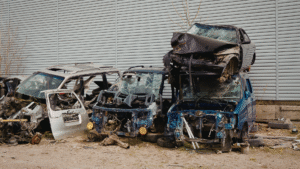
Common Causes of a Multi-Vehicle Moore Car Crash
A multi-vehicle Moore car crash often occurs when a single act of negligence triggers a chain reaction involving several vehicles. Because traffic moves at varying speeds and distances, one sudden impact can quickly escalate into a larger collision. Understanding the most common causes of these crashes helps drivers recognize risk factors and evaluate potential liability. Careful analysis of contributing factors also plays a critical role in determining accountability.
Rear-End Collisions and Chain Reactions
Rear-end crashes frequently initiate multi-vehicle collisions, particularly in heavy or stop-and-go traffic. When one driver fails to maintain a safe following distance, they may not have sufficient time to stop. The initial impact can then push vehicles forward into others, creating a domino effect. These chain reactions often result in extensive vehicle damage and multiple injury claims.
Following Too Closely and Sudden Braking
Drivers who follow too closely reduce their reaction time significantly. Sudden braking caused by traffic congestion, construction zones, or roadway hazards can trigger immediate collisions. When vehicles travel at higher speeds, the force of impact increases the likelihood of secondary crashes. Maintaining adequate spacing remains essential to preventing these incidents.
Distracted Driving
Distracted driving remains a leading contributor to a multi-vehicle Moore car crash. Drivers who look at mobile devices, adjust in-vehicle systems, or divert attention from the roadway may fail to notice slowing traffic. Even a brief lapse in focus can prevent timely braking. In multi-lane traffic conditions, distraction can quickly lead to widespread collisions.
Cell Phone Use and In-Vehicle Distractions
Texting, calling, or using navigation systems can significantly impair reaction time. Visual, manual, and cognitive distractions reduce a driver’s awareness of surrounding vehicles. When traffic conditions change unexpectedly, distracted drivers may be unable to respond appropriately. Electronic data and phone records sometimes help establish distraction as a contributing factor.
Speeding and Aggressive Driving
Excessive speed increases both the likelihood and severity of a multi-vehicle Moore car crash. Drivers who exceed posted speed limits require longer stopping distances. Aggressive behaviors such as tailgating, unsafe lane changes, and abrupt merging can destabilize traffic flow. When one aggressive maneuver leads to contact, multiple vehicles may become involved.
Reduced Reaction Time at Higher Speeds
Higher speeds leave drivers with less time to perceive and react to hazards. In congested areas, even small miscalculations can produce significant consequences. The force generated by high-speed impacts often causes vehicles to spin or strike additional cars. Speed control plays a crucial role in preventing multi-vehicle collisions.
Weather and Roadway Conditions
Adverse weather conditions frequently contribute to multi-vehicle crashes in Moore. Rain, fog, or icy surfaces reduce traction and visibility, making it more difficult to stop safely. Poor roadway maintenance, debris, or construction zones may further complicate driving conditions. When environmental factors combine with driver error, chain-reaction crashes become more likely.
Limited Visibility and Hydroplaning
Reduced visibility during heavy rain or fog can prevent drivers from recognizing stopped traffic ahead. Wet road surfaces may cause hydroplaning, which reduces tire contact with the pavement. Loss of control under these conditions can quickly escalate into multiple impacts. Defensive driving and adjusted speeds help mitigate these risks.
Impaired Driving
Driving under the influence of alcohol or drugs significantly increases the risk of a multi-vehicle Moore car crash. Impaired drivers often exhibit delayed reaction times, poor judgment, and reduced coordination. These impairments can lead to abrupt lane departures or failure to brake in time. When impairment causes an initial collision, surrounding vehicles may also become involved.
Delayed Decision-Making and Erratic Behavior
Substances that impair cognitive function can affect a driver’s ability to process traffic changes. Erratic steering, inconsistent speeds, and delayed responses increase collision risk. In heavy traffic environments, impaired driving can quickly trigger widespread damage. Establishing impairment may involve toxicology reports or law enforcement observations.
Steps to Take Immediately After a Multi-Vehicle Moore Car Crash
A multi-vehicle Moore car crash can create confusion, serious injuries, and hazardous roadway conditions within seconds. Because several vehicles and drivers may be involved, the risk of additional collisions often remains high. Taking deliberate and organized steps immediately after the crash can help protect your safety and preserve your legal rights. Prompt action also strengthens any future insurance or injury claim.
Prioritize Safety and Call Emergency Services
Safety should remain the first concern following a multi-vehicle Moore car crash. If you are able, check yourself and passengers for injuries before exiting the vehicle. Move to a safe location away from active traffic when conditions allow. Contact 911 immediately so law enforcement and medical responders can secure the scene and provide assistance.
Accept On-Scene Medical Evaluation
Even if injuries seem minor, accepting medical evaluation at the scene remains important. Adrenaline can temporarily mask symptoms of serious trauma such as internal bleeding or concussions. Emergency personnel can assess your condition and recommend transport if necessary. Early medical documentation also creates a clear connection between the crash and your injuries.
Document the Scene Thoroughly
Because multiple vehicles are involved, detailed documentation becomes especially important. Take photographs of all vehicles, license plates, roadway conditions, traffic signals, and visible injuries. Capture wide-angle images to show vehicle positioning and debris patterns. Comprehensive documentation helps clarify how the chain-reaction collision occurred.
Gather Contact and Insurance Information
Exchange information with every driver involved in the multi-vehicle Moore car crash. Obtain names, contact details, driver’s license numbers, license plate numbers, and insurance information. If possible, collect contact information from witnesses who observed the sequence of impacts. Organized record keeping reduces confusion later.
Provide Accurate Information to Law Enforcement
Police officers will typically prepare an official crash report at the scene. Provide factual and concise statements about what you observed without speculating about fault. Avoid assigning blame or apologizing, as statements may be interpreted inaccurately. Request information about how to obtain a copy of the report once it becomes available.
Avoid Discussing Fault With Other Drivers
In a multi-vehicle Moore car crash, multiple parties may dispute responsibility. Conversations at the scene can quickly become emotional or confrontational. Limit communication to exchanging required information and ensuring safety. Determinations of liability should be based on evidence rather than roadside discussions.
Seek Prompt Follow-Up Medical Care
After leaving the scene, schedule a comprehensive medical evaluation as soon as possible. Some injuries may develop symptoms hours or days after the crash. Consistent follow-up treatment demonstrates the seriousness of your condition. Maintaining detailed medical records supports any future compensation claim.
Track Expenses and Lost Income
Keep organized records of medical bills, prescription costs, repair estimates, and missed workdays. Multi-vehicle collisions often involve complex insurance negotiations. Thorough documentation strengthens your position when seeking reimbursement. Accurate financial tracking helps ensure all damages are properly accounted for.
Notify Insurance Providers Carefully
Report the multi-vehicle Moore car crash to your insurance company promptly. Provide accurate information without offering recorded statements beyond basic facts until you understand the scope of your claim. Insurance carriers may investigate liability extensively in chain-reaction crashes. Thoughtful communication helps protect your interests during this process.
Injuries Frequently Reported in a Multi-Vehicle Moore Car Crash
A multi-vehicle Moore car crash often results in complex and severe injuries due to the force and sequence of multiple impacts. When vehicles are struck more than once or from different directions, occupants may experience compounded trauma. Chain-reaction collisions frequently involve sudden acceleration, abrupt deceleration, and secondary impacts inside the vehicle cabin. Understanding the types of injuries commonly reported helps victims recognize symptoms and seek appropriate medical care.
Traumatic Brain Injuries and Concussions
Head injuries are among the most serious consequences of a multi-vehicle Moore car crash. Even when airbags deploy, the force of impact can cause the brain to strike the inside of the skull. Concussions may produce symptoms such as headaches, dizziness, confusion, or memory loss. More severe traumatic brain injuries can result in long-term cognitive and physical impairments.
Delayed Symptoms and Ongoing Monitoring
Symptoms of a brain injury do not always appear immediately after a collision. Victims may initially feel stable before experiencing worsening headaches or disorientation hours later. Medical imaging and neurological evaluations help detect internal trauma. Early diagnosis plays a critical role in preventing complications.
Neck and Back Injuries
Neck and back injuries frequently occur in chain-reaction crashes due to rapid forward and backward movement. Whiplash remains one of the most commonly reported conditions following rear-end impacts. However, more severe collisions may cause herniated discs, spinal fractures, or nerve damage. These injuries can significantly limit mobility and daily functioning.
Long-Term Spinal Complications
Spinal trauma may require extended treatment, including physical therapy or surgical intervention. Nerve compression can lead to chronic pain, numbness, or weakness in the extremities. In severe cases, spinal cord injuries may result in partial or complete paralysis. Comprehensive medical evaluation helps determine the full scope of damage.
Broken Bones and Orthopedic Injuries
The force generated in a multi-vehicle Moore car crash can cause fractures to arms, legs, ribs, and hips. Occupants may brace for impact, increasing the likelihood of wrist or forearm fractures. Side-impact collisions often result in pelvic or rib injuries due to intrusion into the passenger compartment. Orthopedic trauma may require surgery and prolonged rehabilitation.
Surgical Intervention and Recovery Time
Severe fractures sometimes require internal fixation using plates, screws, or rods. Recovery periods may extend for months, particularly when weight-bearing bones are involved. Physical therapy often plays a key role in restoring strength and flexibility. Detailed medical documentation supports claims for extended recovery costs.
Internal Injuries and Organ Damage
Internal injuries present significant risks following high-impact crashes. Blunt force trauma from seat belts, airbags, or vehicle intrusion can damage internal organs. Internal bleeding may not be immediately visible but can become life-threatening without prompt treatment. Emergency medical evaluation remains essential after any serious collision.
Importance of Immediate Diagnostic Testing
CT scans and other imaging tools help identify internal injuries early. Abdominal pain, bruising, or shortness of breath may indicate organ trauma. Prompt intervention can prevent further complications. Careful monitoring ensures that hidden injuries are not overlooked.
Emotional Trauma and Psychological Injuries
A multi-vehicle Moore car crash can also produce lasting psychological effects. Victims may experience anxiety, depression, or post-traumatic stress symptoms following the collision. Fear of driving or intrusive memories of the crash may disrupt daily routines. Emotional recovery often requires counseling or mental health support.
Impact on Daily Life and Relationships
Psychological injuries can affect work performance, family interactions, and overall well-being. Sleep disturbances and mood changes may persist long after physical injuries heal. Recognizing emotional harm as part of the overall injury profile strengthens compensation claims. Comprehensive care addresses both physical and psychological recovery needs.
Understanding Compensation After a Multi-Vehicle Moore Car Crash
Understanding compensation after a multi-vehicle Moore car crash requires careful evaluation of both immediate losses and long term consequences. Because multiple drivers and insurance carriers may be involved, determining available coverage can become complex. Oklahoma law allows injured parties to pursue damages when another driver’s negligence caused or contributed to the collision. A thorough assessment helps ensure that all recoverable categories of loss are properly documented and pursued.
Medical Expenses and Ongoing Treatment Costs
Medical expenses often represent the largest portion of compensation after a multi-vehicle Moore car crash. Emergency transport, hospital stays, surgeries, imaging, and follow-up appointments can quickly generate substantial bills. In addition, many victims require physical therapy, pain management, or specialized care to support recovery. Calculating both current and anticipated future treatment costs ensures that settlement discussions reflect the full scope of medical needs.
Future Care and Long-Term Rehabilitation
Serious injuries may require extended rehabilitation or additional surgical procedures. Physicians may recommend ongoing therapy, assistive devices, or long-term medication management. Projecting these future expenses strengthens the overall damages claim. Detailed medical opinions help support compensation for anticipated care.
Lost Wages and Reduced Earning Capacity
A multi-vehicle Moore car crash may prevent victims from returning to work for weeks or months. Missed income can create immediate financial pressure, especially when medical expenses continue to rise. In more severe cases, permanent injuries may limit future employment opportunities or reduce earning potential. Claims for diminished earning capacity account for these long-term financial impacts.
Documenting Employment and Income Losses
Pay stubs, tax returns, and employer statements help verify lost income following the crash. Vocational experts may evaluate how injuries affect career prospects and advancement. Clear documentation strengthens negotiations with insurance companies. Accurate financial analysis supports a more complete compensation demand.
Pain and Suffering Damages
Compensation after a multi-vehicle Moore car crash may also include non-economic damages. Physical pain, emotional distress, and reduced enjoyment of daily life often accompany serious injuries. These losses do not appear on invoices, yet they significantly affect overall well-being. Careful documentation helps demonstrate the depth of personal impact.
Emotional and Psychological Effects
Victims of multi-vehicle collisions may experience anxiety, sleep disturbances, or post-traumatic stress symptoms. Fear of driving and ongoing stress can disrupt daily routines and family life. Mental health counseling and professional evaluations help establish the seriousness of emotional harm. Recognizing psychological injuries ensures that compensation reflects the full extent of suffering.
Property Damage and Out-of-Pocket Expenses
Multi-vehicle crashes frequently result in extensive property damage. Repair or replacement of vehicles, personal belongings, and electronic devices may involve significant cost. Additionally, victims may incur rental car fees, transportation expenses, and prescription costs. Including these out-of-pocket losses provides a more accurate picture of financial harm.
Coordinating Multiple Insurance Policies
Because several vehicles are often involved, multiple insurance policies may apply. Liability coverage, uninsured motorist coverage, and underinsured motorist benefits may all play a role. Coordinating these policies requires careful review to avoid gaps in recovery. Organized claims management increases the likelihood of full and fair compensation.
Wrongful Death Damages in Fatal Cases
In tragic situations involving a fatal multi-vehicle Moore car crash, surviving family members may pursue wrongful death compensation. Recoverable damages may include funeral expenses, loss of financial support, and loss of companionship. Oklahoma law outlines who may file such claims and what categories of damages apply. Comprehensive evaluation ensures that families seek appropriate recovery for their loss.
Statutory Limits and Filing Deadlines
Oklahoma law imposes specific time limits for filing wrongful death and personal injury claims. Missing these deadlines may bar recovery entirely. Early legal action helps preserve rights and secure critical evidence. Understanding applicable statutes strengthens the overall claim strategy.
How Oklahoma City Personal Injury Attorneys Support Car Crash Victims
Car crashes near Oklahoma City can leave victims facing painful injuries, unexpected financial strain, and uncertainty about what steps to take next. Oklahoma City personal injury attorneys play a critical role in guiding injured individuals through the legal and insurance process while protecting their rights. These cases often involve disputed liability, complex medical documentation, and aggressive insurance tactics. With structured legal support, crash victims can focus on recovery while their claim is handled strategically.
Conducting a Thorough Case Investigation
A strong personal injury claim begins with a comprehensive investigation into how the crash occurred. Attorneys review police reports, photographs, witness statements, and available surveillance footage. In addition, they may examine roadway conditions, traffic control devices, and vehicle damage patterns. Early evidence collection helps preserve critical facts and strengthens the foundation of the claim.
Working With Accident Reconstruction Experts
In more complex collisions, accident reconstruction specialists may analyze impact angles, vehicle speeds, and braking patterns. Their technical findings can clarify how the crash unfolded and who bears responsibility. Expert analysis often proves especially valuable when insurance companies dispute liability. Clear and credible expert testimony enhances the strength of the case.
Managing Insurance Company Communications
Insurance companies frequently attempt to minimize payouts or shift blame after a car crash. Personal injury attorneys handle communications with adjusters to protect clients from misleading questions or premature settlement offers. They prepare detailed demand packages supported by medical documentation and financial records. This structured approach improves negotiating leverage and helps prevent undervalued settlements.
Addressing Comparative Fault Arguments
Oklahoma follows a modified comparative negligence rule that can affect compensation. Insurers may argue that the injured driver shared responsibility for the crash. Attorneys work to counter unsupported allegations by presenting organized evidence and witness testimony. Limiting unfair fault allocation helps preserve the full value of the claim.
Calculating and Documenting Damages
Accurate calculation of damages plays a central role in a successful car crash claim. Attorneys evaluate medical expenses, lost wages, property damage, and future treatment needs. They also assess non economic losses such as pain, suffering, and reduced quality of life. Thorough documentation ensures that settlement discussions reflect the true impact of the collision.
Evaluating Long Term Financial Impact
Serious car crash injuries may result in permanent limitations or reduced earning capacity. Economic experts can project future income losses based on occupation and career trajectory. This forward looking analysis strengthens compensation demands. Comprehensive damage evaluation supports fair recovery.
Preparing for Litigation When Necessary
While many car crash cases resolve through negotiation, some require formal litigation. Attorneys prepare pleadings, conduct discovery, and develop trial strategies when insurers refuse reasonable offers. Demonstrating readiness for court often encourages more meaningful settlement discussions. A well prepared case positions injured victims for stronger outcomes in Oklahoma City car crash claims.
Contact an Experienced Multi-Vehicle Moore Car Crash Lawyer Today
After a serious multi-vehicle Moore car crash, having experienced legal representation can make a meaningful difference in how your claim is handled and resolved. At Hawkins Felton Law, we understand that collisions involving several vehicles often create conflicting accounts, complex insurance disputes, and significant injuries that require long term care. We take a proactive approach by reviewing crash reports, analyzing physical evidence, consulting with experts when necessary, and identifying every potential source of compensation. By preparing each case thoroughly from the beginning, we work to strengthen our clients’ position during negotiations and, if needed, in court.
We know that the aftermath of a multi-vehicle collision can bring mounting medical bills, lost income, vehicle damage, and uncertainty about the future. Our team is committed to guiding our clients through every stage of the legal process while we handle communication with insurance companies and opposing parties. We advocate strategically to pursue full and fair compensation that reflects the true impact of the crash. If you or a loved one has been injured in a multi-vehicle Moore car crash, give us a call today at (918) 583-6007 or reach out online for a free consultation and learn how we can help you move forward.