

What Do Tulsa Crash Lawyers Need to Build a Strong Injury Claim?
Building a successful injury claim begins with gathering the right evidence as early as possible after an accident. Experienced Tulsa crash lawyers understand how important it is to preserve documentation, identify responsible parties, and establish how another person’s negligence caused the collision. Additionally, every claim depends upon the quality of the available evidence, including medical records, witness statements, accident reports, and photographs from the scene. Insurance companies often begin investigating immediately, making prompt action especially important for protecting valuable information. Understanding what strengthens an injury claim helps accident victims make informed decisions while pursuing compensation. Careful preparation frequently creates stronger opportunities for reaching a favorable outcome.
Recovering after a serious accident often involves much more than repairing a damaged vehicle or receiving medical treatment. Injured individuals frequently face lost income, ongoing rehabilitation, financial uncertainty, and difficult conversations with insurance companies. At Hawkins Felton Law, we understand these challenges and remain committed to helping our clients protect their legal rights throughout the claims process. We carefully prepare every case while providing straightforward guidance and responsive communication from beginning to end. Our attorneys work diligently to pursue the compensation our clients deserve after preventable accidents. Call us at (918) 583-6007 to discuss your situation with our team today.
How Tulsa Crash Lawyers Can Help You Build a Strong Claim
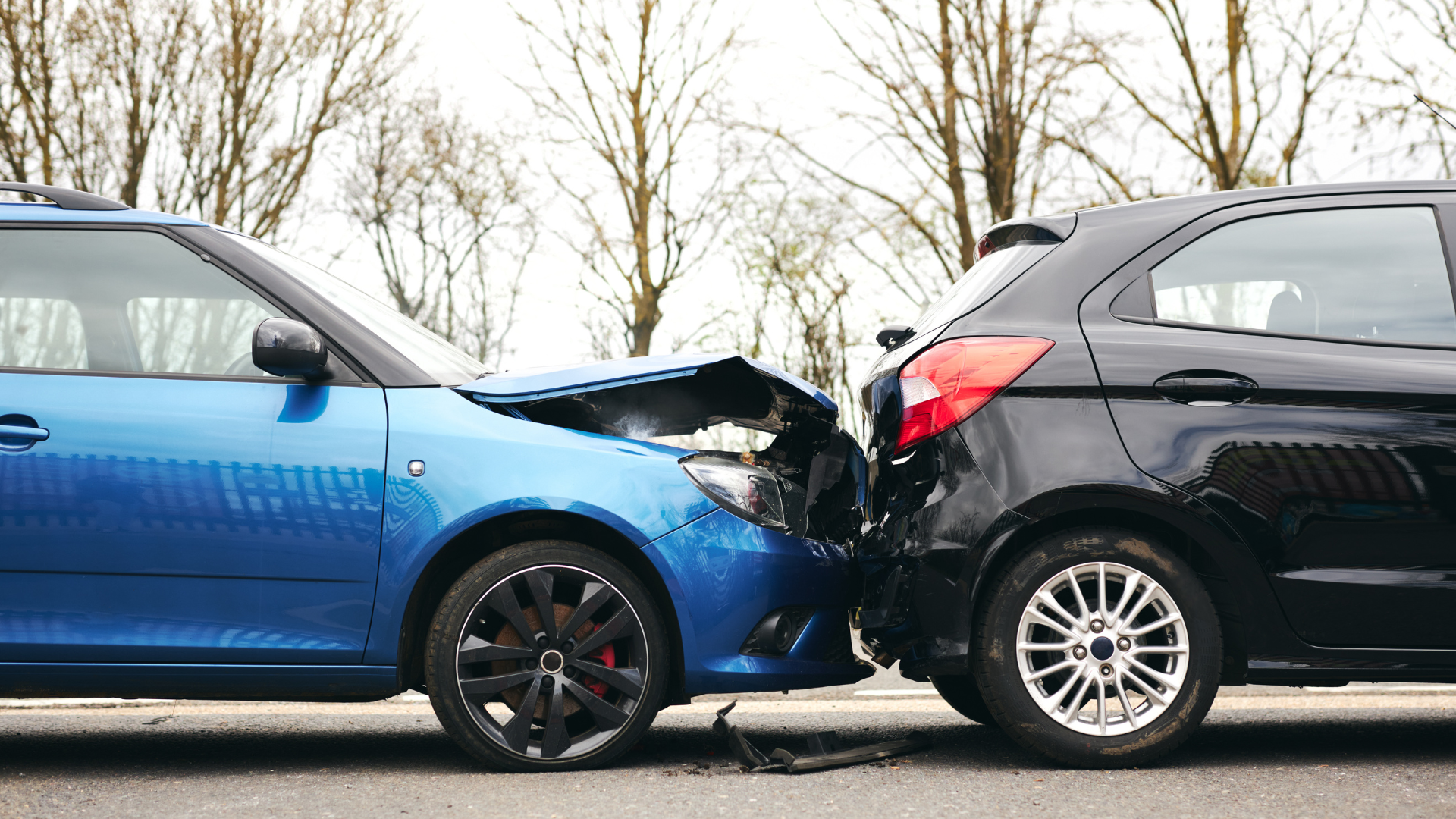
Hawkins Felton Law understands the challenges injured victims face, and our Tulsa crash lawyers provide experienced legal guidance throughout every stage of the claims process. We thoroughly investigate every accident, gather important evidence, identify every potentially responsible party, and evaluate every available insurance policy that may provide compensation. Additionally, we explain your legal options clearly so you understand every important decision affecting your case. We recognize that no two injury claims involve the same facts, requiring careful preparation and personalized legal strategies. Our commitment remains protecting our clients’ interests while pursuing the maximum compensation available under Oklahoma law.
We understand that building a successful injury claim requires much more than submitting paperwork to an insurance company. Therefore, we remain available to answer important questions, provide regular updates, and prepare every claim as though litigation may become necessary. We carefully document medical expenses, lost income, future damages, and every category of recoverable compensation supported by the evidence. Furthermore, we negotiate aggressively while protecting our clients from insurance company tactics designed to reduce legitimate claims. Our goal focuses on helping injured individuals move forward with greater financial stability and confidence throughout the legal process.
Strong Evidence Forms the Foundation of Every Claim
Successful injury claims often depend upon the quality and completeness of the available evidence collected after the accident. Police reports, medical records, witness statements, photographs, surveillance footage, and vehicle damage frequently help establish liability and damages. Additionally, preserving this evidence quickly reduces the likelihood that important information becomes unavailable over time. Every document helps explain how the accident occurred and how the injuries affected the victim’s life. Thorough documentation frequently creates stronger negotiations while supporting litigation if necessary.
Accident Scene Evidence Helps Establish Liability
Evidence collected at the accident scene frequently provides valuable insight regarding how the collision occurred. Photographs of vehicle damage, roadway conditions, skid marks, traffic signs, and debris often become important parts of the investigation. Additionally, documenting weather conditions and visibility may help explain contributing factors surrounding the accident. Careful preservation of physical evidence strengthens liability arguments throughout the claims process. Every available detail contributes to a more complete understanding of the collision.
Early Documentation Can Make a Significant Difference
Important physical evidence sometimes disappears shortly after an accident occurs. Therefore, gathering photographs and preserving documentation as quickly as possible often strengthens an injury claim. Early evidence frequently provides valuable support during insurance negotiations and litigation. Every available record contributes to a stronger factual presentation.
Witness Statements Often Strengthen Injury Claims
Independent witnesses frequently provide objective observations regarding how the collision occurred before emergency responders arrived. Their testimony may clarify disputed facts while supporting physical evidence gathered during the investigation. Collecting witness information promptly helps preserve accurate recollections before memories naturally begin to fade. Reliable witness statements often strengthen liability determinations during negotiations and court proceedings. Every available witness deserves careful consideration.
Independent Witnesses Add Valuable Credibility
Witnesses without personal involvement often provide unbiased accounts of the accident. Their observations may reinforce other evidence while helping resolve conflicting versions of events. Combining witness testimony with physical documentation frequently creates stronger injury claims. Thorough investigations consider every available source of information.
Medical Documentation Demonstrates the Extent of the Injuries
Medical records often become some of the most important evidence supporting an injury claim after a serious accident. Emergency treatment records, physician evaluations, diagnostic imaging, rehabilitation notes, and follow-up appointments help explain both the severity of the injuries and the recovery process. Additionally, consistent medical care demonstrates that injuries resulted directly from the collision rather than unrelated events. Comprehensive healthcare documentation frequently strengthens compensation claims. Every stage of treatment contributes valuable evidence.
Ongoing Treatment Helps Document Recovery
Recovery often continues well beyond the first hospital visit following a serious crash. Physical therapy, specialist appointments, additional testing, and rehabilitation services frequently become necessary throughout the healing process. Continuing recommended treatment helps create a complete medical history while documenting ongoing limitations. Thorough medical records often improve damage evaluations and settlement discussions. Every appointment contributes important information supporting the claim.
Consistency Strengthens Medical Evidence
Following treatment recommendations demonstrates a continued commitment to recovery after the accident. Complete medical documentation often helps establish both current injuries and future healthcare needs. Organized healthcare records strengthen negotiations and potential litigation. Every stage of recovery deserves careful documentation.
Future Medical Needs Should Be Evaluated
Some injuries require continued medical care long after the initial accident has occurred. Future surgeries, rehabilitation, medications, and specialist treatment may significantly increase the overall value of an injury claim. Evaluating these anticipated healthcare expenses helps ensure compensation reflects long-term recovery needs. Comprehensive medical evaluations frequently support more accurate damage calculations. Every future healthcare cost deserves careful consideration.
Long-Term Recovery May Affect Claim Value
Serious injuries sometimes continue affecting daily life for months or even years. Future treatment needs often become important components of an injury claim. Careful planning supports more complete compensation evaluations. Every anticipated medical expense should receive meaningful attention.
Financial Documentation Supports Compensation Claims
Accident victims often experience substantial financial losses extending beyond immediate medical expenses. Lost wages, reduced earning capacity, rehabilitation costs, transportation expenses, and future financial losses frequently affect the overall value of an injury claim. Preserving employment records, invoices, receipts, and financial documents helps establish these damages accurately. Comprehensive financial documentation strengthens settlement negotiations while supporting litigation if necessary. Every documented loss contributes to a more complete compensation demand.
Lost Income Requires Careful Documentation
Many injured individuals cannot immediately return to work following a serious accident. Missed paychecks, reduced work hours, and diminished future earning opportunities may significantly affect long-term financial stability. Employment records, payroll information, and employer statements frequently help establish these economic losses. Organized financial evidence supports more accurate compensation requests. Every income-related loss deserves careful evaluation.
Financial Losses Extend Beyond Medical Bills
Medical expenses represent only one portion of many injury claims. Lost earnings, future employment limitations, and additional accident-related expenses often create lasting financial burdens. Comprehensive financial evaluations help present a more complete compensation demand. Every economic consequence should receive thoughtful consideration.
What Evidence Helps Tulsa Crash Lawyers Build a Strong Case?
Building a strong injury claim requires much more than proving that an accident occurred. Successful cases often depend upon presenting clear, organized evidence showing how the collision happened, who acted negligently, and how the injuries affected every aspect of the victim’s life. Additionally, insurance companies frequently examine every piece of available documentation while searching for reasons to dispute liability or reduce compensation. Gathering evidence as early as possible helps preserve important information before it becomes unavailable or less reliable. Every document, photograph, and witness statement contributes to building a more complete picture of the accident. Thorough preparation frequently creates stronger opportunities for successful negotiations and litigation.
Strong evidence also helps demonstrate the full financial and personal impact of an accident beyond immediate medical expenses. Medical records, employment information, expert opinions, and physical evidence frequently work together to establish liability and damages. Furthermore, preserving documentation throughout the recovery process creates a detailed record supporting future compensation requests. Every category of evidence serves a specific purpose while strengthening different aspects of the claim. Careful organization often improves both settlement discussions and courtroom presentations. Comprehensive investigations help ensure that no important evidence is overlooked.
Accident Scene Evidence Creates a Strong Foundation
Evidence collected immediately after a collision frequently provides some of the strongest support for an injury claim. Photographs, roadway conditions, vehicle damage, traffic signs, debris patterns, and weather conditions often help explain how the accident occurred. Additionally, documenting the accident scene before vehicles are moved or hazards disappear preserves valuable information for later investigation. Every photograph and observation helps establish a more accurate timeline of the collision. Thorough documentation frequently strengthens liability determinations throughout the claims process.
Photographs Preserve Important Details
Photographs often capture valuable information that may become unavailable shortly after an accident. Images of vehicle damage, skid marks, roadway conditions, traffic signals, and surrounding areas frequently help investigators reconstruct how the collision occurred. Reviewing these photographs alongside other evidence provides a more complete understanding of liability. Organized visual documentation often strengthens negotiations with insurance companies. Every photograph contributes important factual support.
Early Documentation Often Produces Stronger Claims
Accident scenes frequently change within minutes after emergency responders arrive. Therefore, preserving visual evidence as quickly as possible helps prevent important details from disappearing. Early documentation often supports witness testimony and accident reconstruction findings. Every available image helps strengthen the overall claim.
Physical Evidence Helps Explain the Collision
Vehicle damage, debris patterns, roadway markings, and impact locations frequently provide important information regarding how the accident occurred. Investigators often rely upon these physical details while determining vehicle movements and driver actions before the collision. Preserving physical evidence strengthens liability evaluations while supporting accident reconstruction when necessary. Every physical detail contributes to understanding the events surrounding the crash. Comprehensive investigations frequently rely upon this evidence.
Physical Evidence Supports Objective Analysis
Unlike personal opinions, physical evidence remains objective throughout the investigation. Careful analysis frequently reveals important details that witness testimony alone cannot provide. Every available piece of physical evidence deserves careful evaluation. Thorough documentation strengthens the overall presentation of the claim.
Medical Records Document the Extent of the Injuries
Medical documentation often becomes one of the most important forms of evidence supporting an injury claim. Emergency room records, physician evaluations, diagnostic imaging, rehabilitation notes, and specialist reports help explain both the severity of the injuries and the recovery process. Additionally, seeking prompt medical treatment establishes a clear connection between the accident and the injuries being claimed. Comprehensive healthcare records frequently strengthen compensation requests while reducing disputes regarding causation. Every stage of treatment contributes valuable documentation.
Ongoing Medical Treatment Supports the Claim
Recovery often continues well beyond the initial emergency room visit after a serious accident. Follow-up appointments, physical therapy, additional testing, rehabilitation, and specialist care frequently become important parts of the healing process. Continuing recommended treatment helps create a complete medical history documenting the progression of recovery. Thorough healthcare documentation often strengthens both settlement negotiations and litigation. Every medical visit contributes meaningful evidence.
Consistent Care Demonstrates Continuing Recovery
Following treatment recommendations helps document the ongoing effects of accident-related injuries. Medical records frequently demonstrate how injuries continue affecting daily activities and overall quality of life. Organized healthcare documentation strengthens damage evaluations throughout the claims process. Every stage of recovery deserves careful documentation.
Future Medical Needs Should Be Evaluated
Some accident victims require continued treatment long after the initial injuries occur. Future surgeries, rehabilitation services, medications, assistive devices, and specialist care may significantly affect the long-term value of an injury claim. Evaluating anticipated healthcare expenses helps ensure future needs receive appropriate consideration. Comprehensive medical evaluations frequently strengthen compensation demands. Every future treatment recommendation deserves careful review.
Long-Term Healthcare Costs Matter
Serious injuries sometimes require months or years of ongoing medical care. Planning for future treatment helps create more accurate compensation requests. Thorough evaluations often improve long-term financial recovery. Every anticipated medical expense should receive meaningful consideration.
Witness Testimony Frequently Strengthens Liability
Independent witnesses often provide valuable observations regarding how the accident occurred before emergency responders arrived. Their testimony may confirm vehicle movements, traffic conditions, driver behavior, and other important facts supporting liability. Additionally, collecting witness statements promptly improves accuracy while memories remain fresh. Objective testimony frequently reinforces physical evidence gathered during the investigation. Every available witness contributes valuable perspective to the claim.
Independent Witnesses Improve Credibility
Witnesses without personal involvement often provide unbiased observations regarding the collision. Their testimony may resolve disputed facts while supporting photographs, police reports, and physical evidence collected after the accident. Combining several sources of evidence creates a stronger liability presentation. Careful investigations frequently rely upon independent witness accounts. Every reliable observation strengthens the claim.
Objective Testimony Supports Stronger Cases
Independent observations frequently provide valuable context unavailable through other forms of evidence. Witnesses may remember important details that help explain how the accident developed. Organized witness statements strengthen both negotiations and litigation. Every available account deserves careful consideration.
Expert Witnesses May Clarify Complex Issues
Some injury claims benefit from expert analysis involving accident reconstruction, medicine, engineering, vocational issues, or financial damages. Experts often explain complicated evidence in ways that support liability and damages while making technical information easier to understand. Their opinions frequently strengthen claims involving disputed liability or significant injuries. Objective professional analysis provides additional credibility throughout the legal process. Every expert evaluation contributes meaningful insight.
Professional Opinions Strengthen Evidence
Expert witnesses often explain technical matters beyond ordinary knowledge. Their evaluations may clarify difficult liability issues while supporting compensation demands. Comprehensive expert analysis frequently strengthens complex injury claims. Every qualified opinion contributes additional value.
Financial Records Demonstrate Economic Losses
Building a strong injury claim requires documenting every financial consequence resulting from the accident. Medical bills, employment records, payroll information, receipts, rehabilitation expenses, and future financial losses all help establish the economic impact of the injuries. Additionally, preserving organized financial documentation strengthens settlement discussions while supporting litigation when necessary. Every documented expense contributes to a more complete compensation demand. Comprehensive financial records help demonstrate the true cost of recovering after a serious accident.
Employment Records Help Calculate Lost Income
Many injured individuals lose income while recovering from accident-related injuries. Employment records, payroll statements, tax documents, and employer verification frequently help establish these financial losses. Evaluating reduced earning capacity also becomes important when permanent injuries affect future employment opportunities. Organized financial documentation strengthens compensation requests throughout the legal process. Every employment-related loss deserves careful evaluation.
Lost Income Often Extends Beyond Missed Paychecks
Serious injuries may affect promotions, overtime opportunities, bonuses, and long-term earning potential. Evaluating every employment-related consequence creates a more complete damage assessment. Thorough financial analysis strengthens compensation demands. Every financial loss deserves meaningful consideration.
Receipts and Expense Records Support Additional Damages
Accident victims often incur expenses extending beyond hospital bills and physician visits. Transportation costs, prescription medications, medical equipment, home modifications, and rehabilitation expenses may all contribute to the financial impact of the accident. Preserving receipts and supporting documentation helps establish these additional damages. Organized records frequently strengthen settlement negotiations and litigation. Every accident-related expense should receive careful documentation.
Small Expenses Can Add Up Quickly
Many accident-related costs appear minor when viewed individually but become significant over time. Careful recordkeeping helps ensure these expenses receive proper consideration during the claims process. Comprehensive documentation creates stronger compensation requests. Every documented expense contributes to the overall claim.
When Multiple Parties May Be Liable for a Tulsa Car Accident

Many car accidents involve more than one negligent party, making liability more complicated than it initially appears. While one driver’s actions may have directly caused the collision, other individuals or entities sometimes contribute to the circumstances leading to the crash. Additionally, identifying every responsible party helps ensure that injured victims pursue the full compensation available under Oklahoma law. Insurance companies often focus on minimizing their own financial responsibility rather than identifying every liable party. A thorough investigation helps uncover all contributing factors before important evidence disappears. Understanding how shared liability works allows injured individuals to make informed decisions throughout the claims process.
Determining whether multiple parties share responsibility requires reviewing accident reports, witness statements, surveillance footage, physical evidence, and other available documentation. Every collision presents unique facts that deserve careful analysis before fault is assigned. Furthermore, Oklahoma law may allow injured victims to pursue compensation from more than one negligent party when the evidence supports shared responsibility. Comprehensive investigations frequently reveal contributing factors that were not immediately apparent following the accident. Identifying every responsible party often strengthens the overall claim while improving opportunities for financial recovery. Careful preparation benefits every stage of the legal process.
More Than One Driver May Contribute to the Collision
Some Tulsa car accidents occur because several drivers make unsafe decisions within a short period of time. One driver may fail to yield while another speeds through an intersection or follows another vehicle too closely. Additionally, distracted driving, unsafe lane changes, and aggressive driving may combine to create a serious collision involving multiple vehicles. Evaluating every driver’s actions helps determine how responsibility should be divided. Thorough investigations frequently establish a more accurate picture of how the accident occurred.
Chain-Reaction Accidents Often Involve Multiple Drivers
Multi-vehicle collisions frequently result from a series of events rather than one isolated mistake. One impact may trigger additional crashes involving several vehicles within only a few seconds. Investigators often review vehicle positions, impact damage, and roadway evidence to determine how each collision occurred. Careful analysis helps establish every driver’s role in the accident. Every contributing action deserves careful evaluation throughout the investigation.
Every Collision Should Be Evaluated Individually
Although chain-reaction crashes happen quickly, every driver’s actions deserve separate review before liability is assigned. Thorough investigations frequently reveal that several individuals contributed to different parts of the collision. Understanding each driver’s role helps create a more complete liability analysis. Comprehensive evaluations often strengthen compensation claims.
Commercial Drivers May Also Share Responsibility
Some accidents involve commercial vehicles operating alongside passenger cars. Delivery drivers, utility vehicles, construction trucks, and other commercial operators may contribute to collisions through negligent driving or unsafe vehicle operation. Evaluating commercial driving records, maintenance documentation, and employer policies often helps establish liability. Every commercial vehicle accident deserves careful investigation before responsibility is determined. Comprehensive reviews frequently uncover additional contributing factors.
Employer Liability May Also Become an Issue
Commercial drivers sometimes operate within the scope of their employment when an accident occurs. Under certain circumstances, employers may also bear responsibility for the actions of their employees. Reviewing employment relationships and company policies often becomes an important part of the investigation. Every potential source of liability deserves careful consideration.
Vehicle Owners and Other Parties May Bear Responsibility
The person driving a vehicle is not always the only party responsible for a serious collision. Vehicle owners, employers, maintenance companies, and manufacturers may also contribute to the circumstances surrounding an accident. Additionally, determining whether another party played a role often requires reviewing ownership records, maintenance histories, and contractual relationships. Comprehensive investigations help identify every available source of compensation. Every potentially responsible party deserves careful evaluation before liability decisions are finalized.
Negligent Vehicle Maintenance Can Contribute to Accidents
Poor vehicle maintenance sometimes creates dangerous driving conditions that increase the likelihood of serious crashes. Worn brakes, defective tires, steering problems, and lighting failures may contribute directly to an accident. Reviewing maintenance records helps determine whether mechanical issues played a role in the collision. Careful inspections frequently uncover important evidence supporting liability. Every mechanical issue deserves thorough examination.
Maintenance Records Often Reveal Important Details
Vehicle service histories sometimes identify recurring mechanical problems that remained unresolved before the accident occurred. Reviewing these records helps investigators determine whether proper maintenance could have prevented the collision. Thorough documentation often strengthens liability evaluations. Every maintenance record contributes valuable information.
Defective Vehicle Components May Increase Liability
Some collisions become more severe because important vehicle components fail unexpectedly. Airbags, brakes, tires, steering systems, and other safety features occasionally malfunction during an accident. Investigating potential product defects helps determine whether manufacturers or suppliers contributed to the injuries. Every suspected defect deserves careful technical evaluation. Comprehensive investigations frequently identify additional sources of liability.
Product Defects Require Careful Investigation
Mechanical failures often require specialized analysis to determine whether defective products contributed to the collision. Expert inspections frequently provide valuable evidence supporting product liability claims. Every component should receive careful evaluation whenever defects are suspected. Technical evidence often strengthens complex injury cases.
Roadway Conditions May Contribute to the Crash
Not every accident results solely from driver negligence. Poor roadway design, damaged pavement, malfunctioning traffic signals, missing signs, inadequate lighting, and construction hazards sometimes contribute to serious collisions. Reviewing roadway conditions helps determine whether another entity bears responsibility for creating unsafe driving conditions. Comprehensive investigations frequently identify hazards that contributed to the accident. Every aspect of the roadway deserves careful evaluation.
Government Entities May Be Responsible in Certain Situations
Government agencies responsible for designing, maintaining, or repairing public roads may bear responsibility when hazardous conditions contribute to an accident. Investigating maintenance schedules, inspection records, and roadway complaints often becomes an important part of these cases. Every roadway defect deserves careful examination before liability is determined. Thorough investigations frequently strengthen complex claims.
Unsafe Road Conditions Can Increase Risk
Hazardous road conditions sometimes create dangers that drivers cannot reasonably avoid. Missing warning signs, damaged pavement, and malfunctioning traffic signals may contribute directly to serious collisions. Careful investigations help determine whether roadway defects played a meaningful role. Every contributing factor deserves comprehensive analysis.
Strong Evidence Helps Identify Every Responsible Party
Determining whether multiple parties share liability requires gathering complete and organized evidence from the beginning of the investigation. Police reports, witness statements, surveillance footage, photographs, accident reconstruction findings, and expert evaluations frequently work together to establish responsibility. Additionally, preserving evidence promptly prevents valuable information from becoming unavailable over time. Every piece of documentation contributes to building a stronger injury claim. Comprehensive investigations frequently reveal facts that might otherwise remain undiscovered.
Complete Investigations Produce Stronger Claims
Limiting an investigation too early may overlook individuals or businesses that contributed to the accident. Reviewing every available source of evidence helps identify all potentially responsible parties before settlement discussions begin. Careful preparation often strengthens negotiations while supporting litigation if necessary. Every investigation benefits from thorough documentation and objective analysis.
Every Responsible Party Should Be Identified
Identifying every negligent party helps ensure that injured individuals pursue the full compensation available under Oklahoma law. Thorough investigations often uncover additional liability that may otherwise remain unnoticed. Complete evaluations strengthen both liability arguments and damage claims. Every potential source of recovery deserves careful consideration.
Contact Our Experienced Tulsa Crash Lawyers Today

Recovering after a serious accident often involves difficult legal questions, financial uncertainty, and ongoing medical treatment that can quickly become overwhelming. Understanding your legal rights early helps preserve important evidence while improving your ability to pursue fair compensation under Oklahoma law. We understand the challenges our clients face after unexpected accidents, and we remain committed to providing compassionate guidance throughout every stage of the legal process. We work diligently to investigate every claim, protect our clients’ interests, and pursue accountability from negligent parties. Our attorneys believe every injured individual deserves experienced representation and responsive communication while navigating the claims process. We remain dedicated to helping our clients move forward with greater confidence and financial security.
At Hawkins Felton Law, we prepare every case with the attention, care, and determination necessary to pursue the best possible outcome for our clients. We carefully evaluate every category of damages while developing personalized legal strategies based upon the unique circumstances of each accident. Our team remains available to answer questions, explain available options, and provide meaningful updates throughout your case. We understand that every claim represents a person or family facing significant challenges after a preventable accident. We remain committed to standing beside our clients from the beginning of the case until its resolution. Call us at (918) 583-6007 or reach out online today to schedule your free consultation.